Professional Architectural Scale Model for Real Estate Project
Professional Architectural Scale Model for Real Estate Project
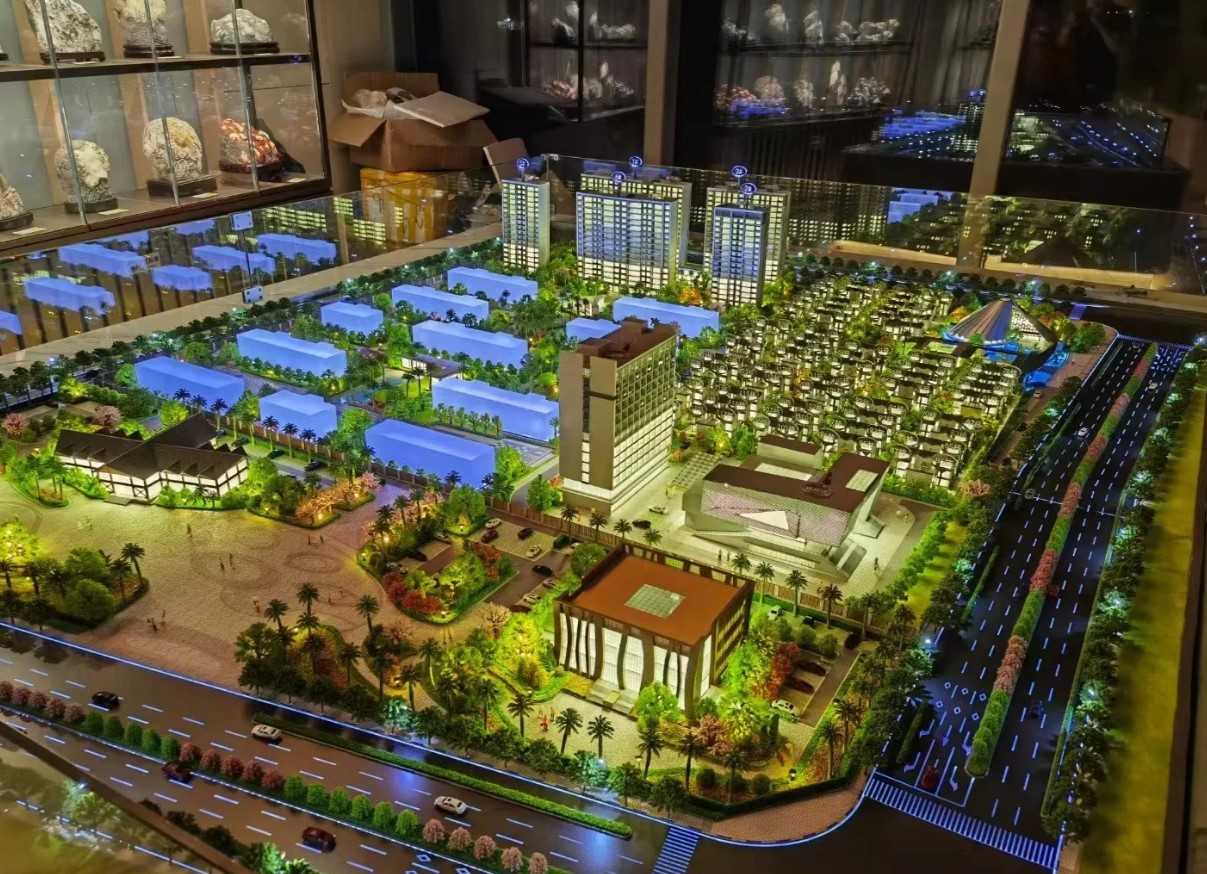
A Architectural Scale Model brings your real estate project to life. It helps buyers see the future. Developers use it to win approvals. Marketers rely on it for pre-sales. This small-scale version of your building tells a big story.
Why Real Estate Needs a Physical Model
Digital renders look great on screens. But they lack physical presence. An Architectural Scale Model sits on a table. People can walk around it. They can touch it. They can feel the space. This emotional connection is powerful. It turns interest into commitment.
Buyers trust what they can see. A real model removes doubts. It shows exact proportions. It demonstrates material choices. It reveals how light falls on the facade. No computer image can replace that feeling.
Key Benefits for Your Sales Process
Sales teams love physical models. They make conversations easier. Instead of pointing at a screen, a salesperson can guide a client around a model. Each building, each tree, each road is right there. The client understands the layout in seconds.
An Architectural Scale Model also shortens the sales cycle. When people see the finished project, they imagine living there. That vision drives faster decisions. You spend less time explaining. You close more deals.
Different Types of Models for Different Goals
Not all models serve the same purpose. Choose based on your project phase.
Concept models are simple. They show massing and volume. Use them early for zoning or investor meetings.
Presentation models are detailed. They include landscaping, lighting, and textures. Use them for sales galleries and trade shows.
Working models have moving parts. Elevators go up and down. Doors open. These are rare but memorable.
Another popular option is the sand table model. This style focuses on terrain and surroundings. It works well for large master plans or resort developments. The sand table model shows topography, roads, and green spaces. Buyers see how the project fits into nature.
Materials and Craftsmanship
Professional model makers use many materials. Acrylic gives transparent windows. Wood creates warm textures. 3D-printed resin delivers fine details like railings or statues. Metal adds a premium feel for high-end projects.
Lighting takes a model to the next level. Tiny LEDs inside rooms or streetlights create drama. Day and night simulations wow visitors. A well-lit Architectural Scale Model feels alive. It invites people to stay longer in your showroom.
How Models Help Different Stakeholders
Architects use models to test design ideas. A model reveals flaws that screens hide. Massing errors or proportion problems become obvious. Fixing these early saves money.
Developers use models to raise funds. Investors need to visualize returns. A tangible model builds confidence. It shows you have done the work.
Marketing teams use models for content creation. Shoot videos around the model. Take high-resolution photos for brochures. Use the model in social media ads. It becomes a production asset.
City planners review models faster than drawings. They see setbacks, heights, and shadows. Approval times often drop when you present a clear model.
Integrating Digital and Physical Tools
Smart teams combine both worlds. Keep your physical model on display. But also create a digital twin. Visitors can scan a QR code on the model. That takes them to an augmented reality view. They see the project inside their own phone. The Architectural Scale Model becomes a gateway to deeper digital experiences.
This hybrid approach works for high-end condos and commercial towers. It appeals to tech-savvy buyers. It also gives remote investors a way to explore.
Industrial Model Making for Complex Projects
Large developments need specialized skills. That is where Industrial model making comes in. This field uses engineering-grade techniques. CNC machining cuts precise parts. Laser cutting ensures perfect edges. Vacuum forming creates curved surfaces. Industrial model making is for projects with complex geometries or moving systems. It is more durable than standard craft methods. If your real estate project has unique structural features, industrial techniques are the answer.
Choosing the Right Model Maker
Not all model shops are equal. Look for a portfolio with similar scale projects. Ask about turnaround time. A simple model takes 2-4 weeks. A detailed presentation model can take 8-12 weeks.
Request samples of their lighting and painting. Check how they handle landscaping. Trees and grass should look natural, not plastic. Good makers also offer shipping and setup services. A damaged model on arrival is worthless.
Cost Factors to Consider
Prices vary widely. A small concept model may cost 8,000. A large presentation model with lighting can exceed $30,000. But compare that to your project budget. One extra sale often covers the cost many times over. The ROI on a quality Architectural Scale Model is extremely high.
Factors that increase cost:
Size (longer than 3 feet)
Number of buildings
Interior details (furnished rooms)
Moving parts
Custom carrying case
Display Tips for Maximum Impact
Where you place the model matters. Put it at eye level for children and adults. Use good directional lighting. Avoid reflections from windows or glass doors. Keep the model behind low glass or acrylic. This prevents touching damage while still allowing close viewing.
Add a simple label for each building. Use small, readable fonts. Train your sales team on three key talking points about the model. Consistency builds trust.
Using the Model for Marketing Campaigns
Your model is a film star. Shoot video walkthroughs. Zoom into specific units. Show the journey from the entrance to the pool. Add voiceover about square footage and amenities. These videos work on YouTube, Instagram, and your website.
Send professional photos to local media. Real estate journalists love model images. They look clean and optimistic. Use them in email newsletters to your prospect list. An Architectural Scale Model creates a visual anchor for your entire campaign.
Common Mistakes to Avoid
Do not skip the base or landscape. A building without context looks odd. Buyers cannot judge distances.
Do not overcrowd the model with tiny figures. Less is more. Two or three cars per street is enough.
Do not use cheap paints. Flat colors ruin the illusion. Invest in matte finishes and subtle weathering.
Do not forget maintenance. Dust builds up quickly. Clean the model weekly with compressed air. Replace any broken parts immediately.
Future Trends in Model Making
Sustainable materials are rising. Bamboo and recycled plastics now appear in high-end models. Solar-powered LED lights are also trending. Some models even include living moss for green roofs.
Interactive touchscreens built into the model base are becoming common. A visitor taps a building. Information pops up. This merges physical and digital beautifully. The Architectural Scale Model is evolving, not dying.
Measuring Success with Your Model
Track how many visitors stop at the model. Count how many ask questions about it. Monitor sales that happen after a model tour. You will likely see a clear correlation. A model is not decoration. It is a selling tool.
If your sales team reports easier closing conversations, that is success. If your architect catches a design flaw before construction, that is victory. If your investors approve funding after seeing the model, you have proven its worth.
Final Thoughts
Do not let digital trends fool you. Physical models still dominate high-end real estate marketing. They build emotion. They show quality. They prove you care about details.
Invest in a professional Architectural Scale Model for your next project. Choose the right maker. Display it well. Use it across marketing channels. You will see faster approvals, happier buyers, and stronger sales.
Your project deserves to be seen. Not just on a screen. But in real life. On a table. In full color and light. That is the power of a model.


