Sand Table Model Packaging For Export
Introduction
An architectural sand table model is an investment of time, skill, and money. One rough landing at customs can undo months of craftsmanship. International shipping presents unique risks: vibration during air freight, temperature extremes crossing the equator, humidity inside sea containers, and the inevitable bumps of handling. Without proper export packaging, a beautiful model can arrive as a collection of broken parts.
Sand Table Model Packaging For Exportis a specialized engineering discipline. It combines internal shock absorption, rigid external crating, climate control, and compliance with international shipping standards.
This guide explains how professional model makers prepare sand table models for global delivery. From disassembly and foam molding to ISPM‑15 compliant wooden crates and GPS‑tracked shipments, you will learn the steps that ensure your model arrives in the same condition it left.
Let us begin.
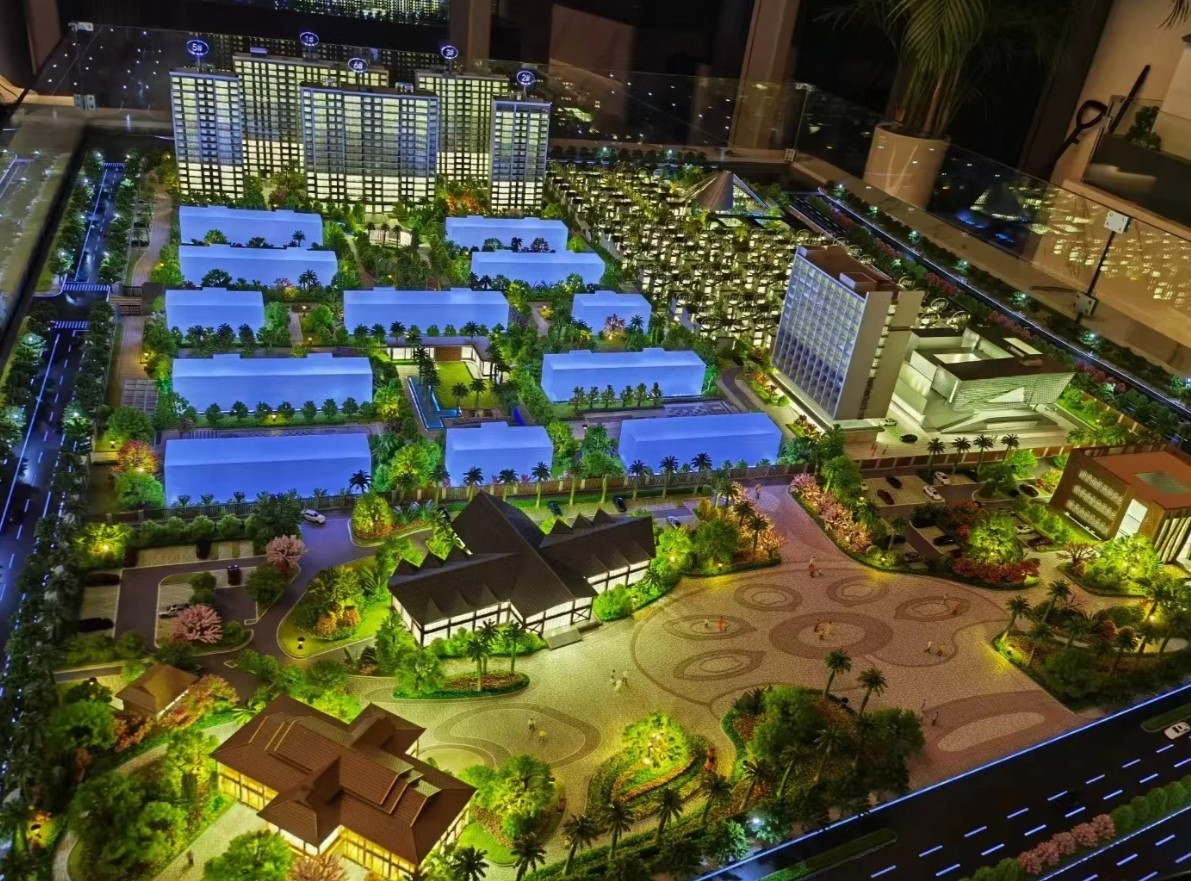
Why Export Packaging Requires a Different Approach
Domestic shipping is challenging enough. International export multiplies the risks. Models may travel by truck to an airport, then by air across continents, then by another truck to a final destination. Each transfer introduces the possibility of vibration, impact, or mishandling. Temperature and humidity changes can warp wooden bases, soften adhesives, or cause resin water features to crack.
ASand Table Model Packaging For Exportsolution must address:
Vibration isolation– Models strapped inside an aircraft hold experience constant low‑frequency vibration.
Impact protection– Forklifts, conveyor belts, and stacking can deliver sudden shocks.
Moisture ingress– Sea containers experience condensation; air freight cargo holds vary in humidity.
Temperature extremes– From sub‑zero altitudes to sweltering tarmacs.
Customs inspection– Border agents may open crates for examination, sometimes roughly.
Professional model makers report that damage rates during international transit remain high, with nearly 22% of models experiencing structural or aesthetic defects upon arrival. For high‑value architectural pieces, each damaged model results in rework costs averaging 5,000. Proper packaging is not an expense – it is an insurance policy.
Pre‑Shipping Preparation – The First Line of Defense
Packaging begins before the model is placed in a box. The preparation stage is where professionals prevent the most common forms of transit damage.
Component Securing and Removal
Delicate elements are the most vulnerable.Miniature Figure For Sand Table Modelfigurines,Custom Miniature Car For Sand Table Modelvehicles, andSimulation Greening For Urban Sand Modeltrees should be temporarily removed and packed separately. Each component is wrapped in soft tissue paper or placed in individual foam‑lined compartments.
Removable buildings are labeled and crated independently. This modular approach not only protects each piece but also simplifies reassembly at the destination.
Model Assessment and Documentation
Before any packaging begins, the model is photographed from multiple angles. These images serve as a condition record for insurance claims and provide a reference for reassembly. For models that have undergoneUrban Planning Model Scene Restoration, restoration documentation is included to demonstrate the model’s condition prior to shipment.
Stability Inspection
Loose connections are identified and tightened. Wobbly trees are re‑glued. The technician ensures that any component likely to shift during transit is either secured or removed.
Internal Packaging – The Cushion Between Fragility and Force
The heart ofSand Table Model Packaging For Exportis the custom internal protection system. Generic bubble wrap and loose foam peanuts are insufficient for complex architectural models.
CNC‑Cut Foam Inserts
Professional model makers use computer‑numerically‑controlled (CNC) cutting to create foam inserts that contour precisely to every model component. The foam eliminates vibration gaps and prevents movement inside the crate. High‑density polyethylene (HDPE) or cross‑linked polyethylene foam is preferred for its shock‑absorbing properties and resistance to moisture.
Each component receives its own foam cavity. The foam is cut in layers: a bottom layer supports the model base; a middle layer contours around buildings and terrain; a top layer rests above, with cut‑outs for protruding elements such as flagpoles or antennas.
Multi‑Layer Protection System
Leading manufacturers employ a multi‑layer material system: a double‑shell plywood casing with an inner anti‑static, moisture‑resistant lining. This system protects against both impact and environmental degradation.
For metallic or high‑gloss finishes, scratch‑resistant film is applied before the model is placed in foam. Dust‑free bags cover components that are removed for separate packing.
Vibration Testing
Certified packaging solutions undergo simulated transit testing. A 48‑hour simulated road and air travel vibration test ensures that the internal foam and stabilizers can withstand real‑world conditions. This testing is especially critical for models with integratedSand Table Model LED Light Replacementcomponents – loose wiring or disconnected fibre optics are common failure points.
External Crating – The Armor That Faces the World
The external crate is what customs officers, freight handlers, and forklifts will see. It must be strong enough to protect the delicate internal packaging.
Reinforced Wooden Crates
Large models are typically placed inside custom‑built wooden shipping crates. These crates are constructed from plywood or solid wood and designed to absorb impact, prevent movement inside the box, and protect the model from external pressure.
The crate is built around the foam‑encased model. Corners are reinforced with metal brackets. The base is constructed with runners to allow forklift access. For particularly heavy models, integrated wheels and a handle are added for easier handling.
ISPM‑15 Compliance
For international export, wooden crates must comply with the International Standards for Phytosanitary Measures No. 15 (ISPM‑15). This standard requires that solid wood packaging – including crates, pallets, and dunnage – be heat‑treated or fumigated to prevent the spread of pests.
Compliant wood packaging must display the ISPM‑15 stamp, which includes the IPPC symbol and a unique country and treatment code. Plywood, oriented strand board (OSB), and wood products thinner than 6mm are typically exempt.
Your export packaging provider should source ISPM‑15‑stamped wood or certify that their crates meet the standard. Failure to comply can result in the packaging being rejected or destroyed at the border.
Climate Control Features
For models vulnerable to environmental conditions, climate‑controlled containers are used for sea freight, or insulated liners are added inside the wooden crate. Silica gel packs are placed inside the crate to absorb moisture, and humidity indicators are included to warn if the internal environment has become damp.
Modular Design – The Solution for Oversized Models
Some models are too large to fit in a single crate. The solution is modular design.
When a model is expected to be shipped internationally, professional model makers design it from the start as a series of detachable modules. Each module represents a section of the model and can be safely packaged and transported independently.
Modular design offers several advantages:
Improved protection– Each module can be individually wrapped and cushioned.
Reduced shipping volume– Smaller modules fit more efficiently into shipping crates.
Lower international shipping costs– Optimised packaging reduces freight volume.
Easier installation– Modules can be assembled quickly on site.
Accessibility– Modules can pass through building entrances, elevators, and narrow corridors that a single large model could not.
For models that incorporate components produced through theArchitectural Model Mold Making Process, modular design is especially practical. Cast components can be packed in separate crates and assembled at the destination, reducing the risk of damage to repetitive elements such as identical columns or window frames.
Integrated Stabilisers – Locking the Model in Place
Even with custom foam, models can shift during prolonged transit. Professional packaging systems use removable internal aluminium framing to fix models securely inside the crate.
Aluminium struts are positioned around the model base and tightened against the crate walls. These stabilisers prevent the model from rotating or sliding, even when the crate is tipped on its side. The aluminium is lightweight and strong – it adds minimal weight to the shipment while providing maximum security.
Simplified Electrical Systems for Easy Reassembly
Many sand table models include integrated lighting systems. During export, the wiring must be disconnected for transport. Reconnecting dozens of micro‑LEDs on site is time‑consuming and error‑prone.
Modern models use quick connection systems. Electrical power passes automatically when modules are connected, eliminating the need to manually wire each component. This system is especially valuable afterSand Table Model LED Light Replacementhas been performed – the new LEDs can be pre‑tested and the quick connectors verified before the model is crated.
For models that are not equipped with quick connections, the wiring is carefully documented. Each wire bundle is labelled, and photographs are taken to guide reassembly.
Labeling, Documentation, and Compliance
A perfectly packed model can still be delayed at customs if the paperwork is incomplete.
Crate Labeling
Each crate is clearly labelled with:
Model name and scale.
Weight and dimensions.
Destination address.
“This Side Up” and directional arrows.
Fragile handling instructions.
For GPS‑enabled crates, a tracking label is also applied. GPS monitoring allows the manufacturer to know the crate’s location and environmental conditions throughout transit.
Packing List and Documentation
Before shipment, a detailed packing list is prepared. It includes photographs of the model, descriptions of each component, and specifications. Marine or air cargo insurance is secured based on the model’s value.
Customs documentation includes the commercial invoice, packing list, bill of lading, and, for wooden crates, the ISPM‑15 certification or fumigation certificate.
Harmonized System (HS) Code
Architectural sand table models are typically classified under HS code 9023.00 – “Instruments, apparatus and models for demonstration purposes”. Correct classification ensures accurate duties and avoids customs holds.
Partnering with an Experienced Export Packaging Provider
Not all packaging companies understand the unique requirements of sand table models. When selecting a partner forSand Table Model Packaging For Export, look for:
Experience with fragile, high‑value models– Ask for case studies of international shipments.
In‑house foam cutting– CNC capabilities ensure precision fit.
ISPM‑15 compliant crating– They should source certified wood or treat their own.
Vibration testing– Do they simulate transit conditions?
Global logistics network– They should have relationships with freight forwarders familiar with model transport.
Insurance and documentation support– They should manage the full export process.
Leading manufacturers have validated their packaging systems through thousands of successful global deliveries, achieving zero visible deformation upon arrival for over 99% of shipments.
The Long‑Term Maintenance Connection
Proper export packaging is the first step in aSand Table Model Long Term Maintenance Plan. A model that arrives intact requires less immediate restoration. The packaging itself can be stored and reused for future moves. The documentation created for export becomes part of the model’s permanent record.
When a model returns from an exhibition or is relocated to a new sales centre, the same packaging system is used again. Reusable crates and modular foam inserts reduce waste and lower long‑term maintenance costs.
Conclusion
Sand Table Model Packaging For Exportis an engineering discipline that protects your investment from the hazards of international transit.
Start with modular design and component removal. Secure each piece in CNC‑cut foam. Place the foam‑encased model in a reinforced, ISPM‑15 compliant wooden crate. Add aluminium stabilisers, climate control features, and clear labeling. Document everything and secure appropriate insurance.
Whether your model featuresArchitectural Model Mold Making Processcomponents, has undergoneUrban Planning Model Scene Restoration, includesSimulation Greening For Urban Sand Modelelements, relies onCustom Miniature Car For Sand Table Modelvehicles, or is covered by aSand Table Model Long Term Maintenance Plan, professional export packaging ensures that your model arrives as intended.
Contact a specialist today. Send your model dimensions and destination. Get an export packaging quote.
Ready to secure your sand table model for international export? Request a quote with your model specifications and destination. Get a response within 48 hours.


