Custom Exhibition Sand Table Model
Introduction
Exhibitions demand attention.
A static map on a wall does not stop crowds.
A physical sand table model does.
Visitors gather around it.
They point, ask questions, and take photos.
That is the power of a Custom Exhibition Sand Table Model.
This guide explains why exhibition models need special design.
What features make them engaging.
And how to get one built for your next exhibit.
Let us begin.
What Is a Custom Exhibition Sand Table Model?
It is a physical miniature designed specifically for public display.
Museums, trade shows, science centers, and visitor attractions use them.
A Custom Exhibition Sand Table Model is built to be:
Durable – Thousands of visitors will lean on the railing.
Legible – Clear labels, large‑format legend.
Engaging – Interactive lighting, removable overlays, or touch screens.
Story‑driven – Shows evolution, future growth, or transportation networks.
Unlike a planning model used in an office, an exhibition model must educate and inspire.
Why a Custom Exhibition Model Is Different
Off‑the‑shelf models cannot tell your unique story.
A Custom Exhibition Sand Table Model is tailored to your narrative.
You decide what to highlight:
Historical layers (1900, 1950, today).
Future development phases.
Transit corridors and green spaces.
Landmarks and cultural sites.
The model becomes the centerpiece of your exhibition.
The Global Hub for Custom Exhibition Models
China’s Pearl River Delta – Shenzhen, Guangzhou, and Dongguan – is the world’s center for architectural model manufacturing.
A Professional Sand Table Model Manufacturer in this region combines advanced digital fabrication with skilled handcraft.
These factories offer:
Laser cutting (±0.1mm accuracy).
CNC machining for terrain.
3D printing for landmarks.
Hand finishing and painting.
All under one roof.
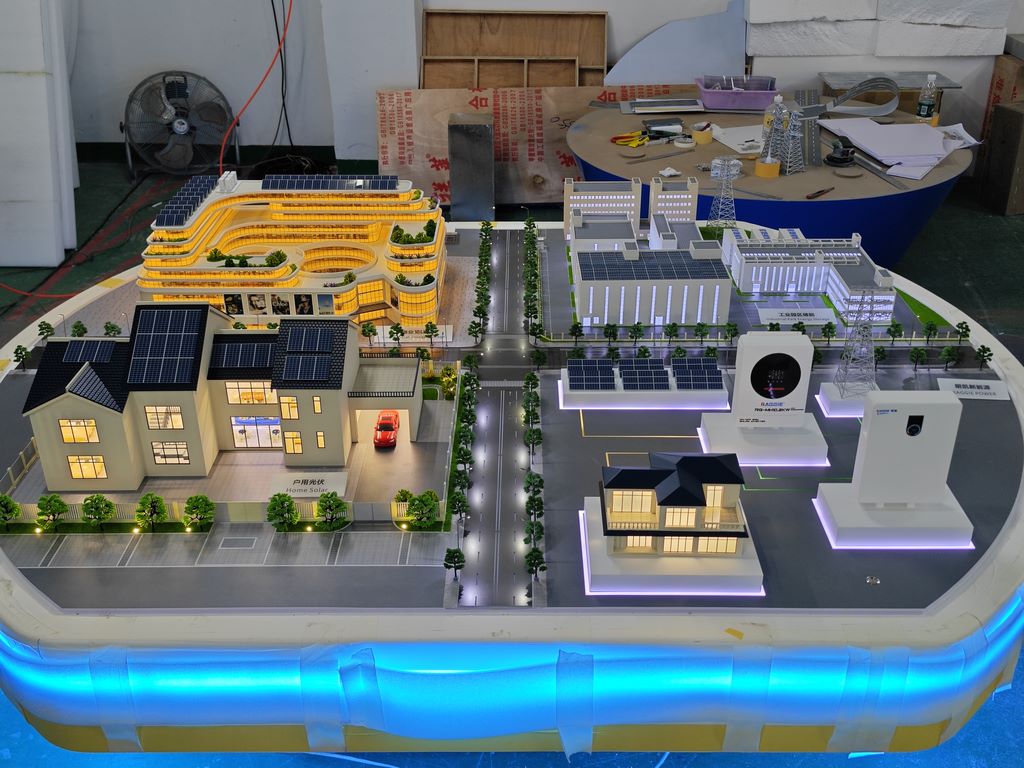
Five Key Services for Exhibition Projects
A professional provider typically offers five specialized services for exhibition models.
1. Professional Sand Table Model Manufacturer – Quality and Precision
A Professional Sand Table Model Manufacturer ensures your exhibition model is built to museum standards.
Durable materials, precise alignment, and flawless finishes.
2. OEM Urban Planning Scale Model Supplier – White‑Label Production
An OEM Urban Planning Scale Model Supplier produces models for your brand.
You provide the design, they manufacture it.
Your logo, your legend, your name.
3. Bespoke Architectural Sand Table Model Service – End‑to‑End Support
A Bespoke Architectural Sand Table Model Service offers consultation, design, prototyping, fabrication, and installation.
Perfect for unique exhibition narratives.
4. Large Scale Sand Table Model – Regional and Master Plan Exhibits
A Large Scale Sand Table Model covers wide areas at scales from 1:2,000 to 1:25,000.
Ideal for regional master plans, transit corridors, or economic zone exhibitions.
5. Global Client Architectural Model OEM – Worldwide Delivery
Global Client Architectural Model OEM serves international museums and trade show organizers.
Your model is built in China and shipped to your venue with full customs support.
Key Features of an Exhibition Sand Table Model
Let us break down what makes an exhibition model effective.
Durable Construction
Reinforced base (aluminum honeycomb or thick MDF).
Acrylic cover or low railing to protect against touching.
Large‑Format Legend
Clear labels, simple icons.
Legend panel separate from the model, at reading height.
Interactive Lighting
LEDs that highlight different themes:
Historical eras (push‑button).
Transit lines (glowing strips).
Future growth phases (animated sequences).
Storytelling Layers
Removable overlays for before/after comparisons.
Touch screen with additional information (photos, videos, data).
Accessibility
Model at waist height for children and wheelchair users.
Even, glare‑free lighting.
The Custom Production Process for Exhibition Models
A professional manufacturer follows a rigorous workflow.
Step 1 – Exhibition Narrative and Data Collection
You provide the story you want to tell, plus any source data (GIS, CAD, historical maps).
The manufacturer determines scale, size, and budget.
Step 2 – Digital Modeling and Prototyping
A digital 3D model is created.
You approve layout, colors, and interactive features.
A small physical sample or full prototype is produced in 7–10 days.
Step 3 – Precision Fabrication
Laser cutting – Cuts building footprints, roads, and water bodies.
CNC machining – Shapes terrain.
3D printing – Produces landmarks and interactive elements.
Step 4 – Hand Assembly and Painting
Skilled artisans assemble components.
Water‑based eco‑friendly paints are used.
Hand‑brushed details add realism.
Step 5 – LED and Interactive Installation
Programmable LEDs and push‑buttons are embedded.
Wires are hidden under the base.
Touch screen legend integrated.
Step 6 – Quality Inspection
Every component is checked for durability and finish.
Lighting and interactivity tested.
Step 7 – Protective Packaging
The model is placed under a clear acrylic cover, then packed in a reinforced wooden crate with foam cushioning.
ISPM‑15 compliant for international shipping.
Step 8 – Global Shipping and On‑Site Setup
Air freight (7–14 days) or sea freight (20–40 days).
A technician can be sent for on‑site assembly if required.
Step 9 – After‑Sales Support
365‑day warranty.
Lifetime maintenance support.
Materials Used for Exhibition Sand Table Models
Exhibition models use durable, visually appealing materials.
ABS plastic – Lightweight, strong, non‑toxic.
Cast acrylic – Clear for water effects and glass facades.
Blue resin – Simulates rivers and lakes.
Miniature trees and vehicles – Realistic landscaping.
UV‑stable paints – Colors that do not fade under exhibition lighting.
LEDs – Low‑voltage, long‑life.
Case Study: Exhibition Model Doubles Museum Attendance
A city history museum had a static map display that few visitors stopped to see.
They commissioned a Custom Exhibition Sand Table Model at 1:2,000 scale, covering 3m x 2.5m.
The model included push‑button LEDs for three eras: 1900 (sepia), 1950 (warm white), and today (cool white with blue transit lines).
A touch screen showed archival photos for each era.
Visitor engagement increased by 200%.
School groups used the model for field trips.
The museum won a regional exhibit award.
Cost Factors for Custom Exhibition Sand Table Models
Scale and area – Larger tables cost more.
Interactivity – Static vs. push‑button LEDs vs. touch screen.
Historical layers – Single era vs. multiple removable overlays.
Durability – Standard vs. reinforced for heavy public use.
Packaging and shipping – Adds 10–20%.
Typical range: 120,000 for a large, highly interactive model with multiple eras and touch screen.
How to Choose a Provider for Exhibition Projects
Use this checklist.
Experience with museum or trade show models – Request photos.
Durability focus – Ask about materials and railing design.
Interactivity capability – LEDs, push‑buttons, touch screens.
Export experience – For international shipping.
References – Call past museum or exhibition clients.
Common Mistakes to Avoid
Do not make the legend too small or technical.
Use simple icons and large text.
Do not place the model in a dark corner.
Exhibition lighting must be even and glare‑free.
Do not allow direct touching without a railing.
A low acrylic railing protects the model.
Do not forget accessibility.
Waist height for wheelchairs and children.
Future Trends in Exhibition Sand Table Models
Augmented reality integration – Scan the model to see archival photos or future renders.
Live data feeds – LEDs showing real‑time transit or air quality.
Modular sections – Swap out zones as exhibitions change.
Sustainable materials – Recycled acrylic and biodegradable flocking.
Conclusion
A Custom Exhibition Sand Table Model transforms your exhibit into an immersive, memorable experience.
It educates, engages, and inspires.
Partner with a Professional Sand Table Model Manufacturer for precision and durability.
Use an OEM Urban Planning Scale Model Supplier for white‑label production.
Engage a Bespoke Architectural Sand Table Model Service for end‑to‑end support.
Consider a Large Scale Sand Table Model for regional master plans.
Rely on Global Client Architectural Model OEM for international delivery.
Contact a manufacturer today.
Share your exhibition story.
Get a custom quote.


