Eco Friendly Material Architectural Model
Introduction
Architectural models have an environmental footprint.
Acrylic sheets, MDF boards, and plastic components consume resources.
But there is a better way.
Eco‑friendly materials reduce waste, lower carbon impact, and support green building certifications.
That is anEco Friendly Material Architectural Model.
This guide explains what makes a model sustainable.
What materials to choose.
And how to incorporate eco‑conscious practices without sacrificing quality.
Let us begin.
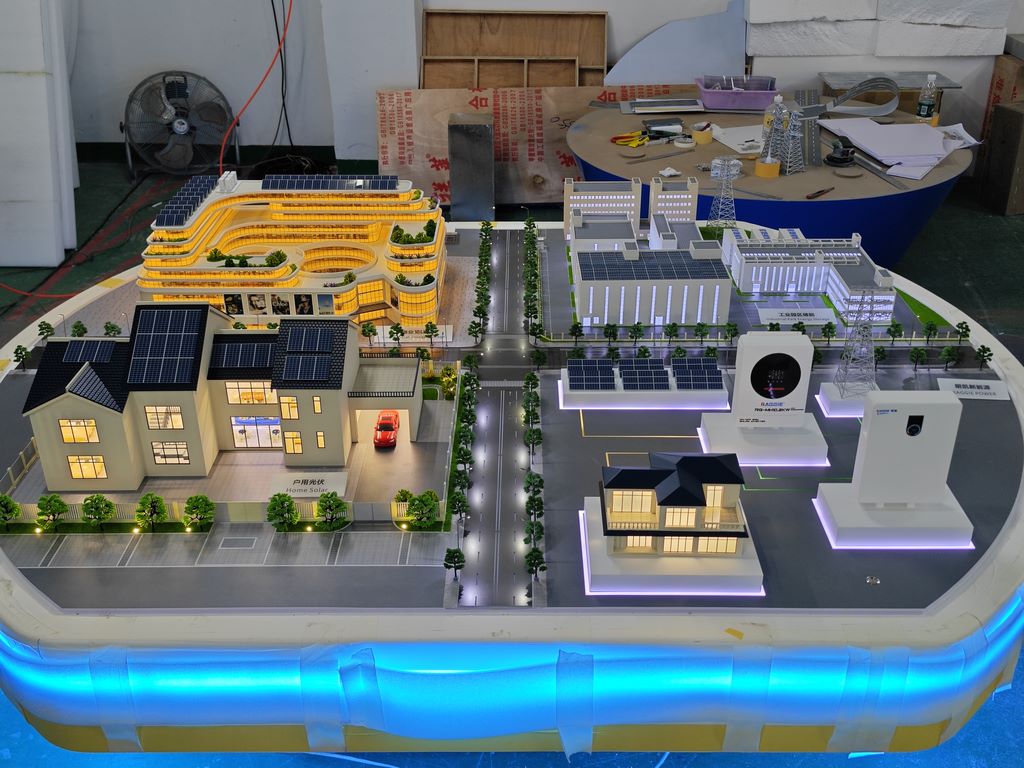
What Is an Eco Friendly Material Architectural Model?
It is a physical miniature constructed from materials that minimize environmental harm.
AnEco Friendly Material Architectural Modelprioritises:
Recycled or reclaimed content (plastics, wood, metals).
Biobased and biodegradable components.
FSC‑certified timber from responsibly managed forests.
Water‑based, low‑VOC paints and adhesives.
Energy‑efficient LED lighting.
The goal is to reduce waste, lower embodied carbon, and create a model that aligns with sustainable design values.
Sustainable Materials for Architectural Models
Recycled and Reclaimed Plastics
Plastic waste is a global crisis.
But discarded HDPE and PLA – common in 3D printing waste – can become new architectural components.
A building block for a wall assembly can be made from recycled plastic, removing waste from the environment and giving it a new purpose.
For model making, recycled PLA filament is widely available.
PLA is a plant‑based bioplastic with a fraction of the carbon footprint of traditional plastics.
Some studios operate closed‑loop systems, recycling their 3D prints into new PLA filament for further printing.
Reclaimed Wood and Off‑Cuts
Waste wood can be transformed into structurally viable, visually compelling architectural resources.
Off‑cut wood – often downcycled or sent to landfill – can be digitally catalogued and reassembled into model components.
FSC‑Certified Timber
FSC certification verifies that wood is sourced from sustainably managed forests.
For wooden bases, structural frames, or decorative elements, specify FSC‑certified pine, cedar, birch, or larch.
Using FSC timber supports responsible forestry and helps achieve green building credits.
Biobased and Biodegradable Materials
Biobased materials come from renewable sources: bamboo, hemp, seaweed, and agricultural waste.
A pavilion constructed from timber and seaweed biomaterials demonstrates how the construction sector is moving toward net zero.
For small‑scale models, biodegradable filaments and bio‑resins are becoming available.
Water‑Based, Low‑VOC Paints
Traditional model paints contain volatile organic compounds (VOCs) that harm air quality.
Water‑based acrylic paints and low‑VOC spray finishes are now widely available.
They provide excellent coverage without toxic fumes.
Sustainable Practices in Model Making
Digital Prototyping to Reduce Waste
Before cutting any material, create a detailed digital 3D model.
Virtual approval eliminates physical prototypes and wasted material.
Modular Design for Reusability
Design your model so components can be disassembled and reused for future projects.
Modular terrain tiles, removable buildings, and interchangeable road sections extend the model’s life.
Energy‑Efficient LED Lighting
LEDs consume a fraction of the energy of incandescent bulbs.
They also last 30,000–50,000 hours, reducing replacement waste.
ForSand Table Model LED Light Replacement, use energy‑efficient LEDs and recycle old components properly.
Local Sourcing
Source materials from local suppliers to reduce transportation emissions.
Many cities have reclaimed wood yards, recycling centres, and eco‑conscious craft stores.
Integrating Eco Materials with Model Features
Transparent Glass Building Sand Model
ForTransparent Glass Building Sand Modelfacades, use recycled cast acrylic or bio‑based transparent resins.
These materials provide optical clarity while reducing petroleum consumption.
TheArchitectural Model Surface Polishing Processworks equally well on sustainable acrylics – flame polishing and fine sanding achieve the same mirror finish without toxic chemicals.
Simulation Water Landscape Sand Table Model
ASimulation Water Landscape Sand Table Modelcan use eco‑friendly epoxy resins with low VOC content.
For the water bed, use recycled glass beads or reclaimed sand instead of virgin materials.
Fibre optic lighting – with energy‑efficient LED sources – creates rippling water effects without high power draw.
Urban Model Scene Layout Design
InUrban Model Scene Layout Design, place green features prominently: parks, green roofs, and tree lines.
Use recycled‑content flocking for grass and reclaimed wood for park benches.
This reinforces your commitment to sustainability and makes the eco‑friendly message visible.
Custom Protective Case For Sand Table Model
ACustom Protective Case For Sand Table Modelcan be fabricated from recycled acrylic or PETG.
Many suppliers now offer UV‑blocking, high‑clarity sheets made from post‑industrial waste.
The protective case also reduces the need for frequent cleaning, extending the life of eco‑painted surfaces.
Certifications and Green Building Alignment
AnEco Friendly Material Architectural Modelcan help demonstrate sustainable practices for LEED or other green building certifications.
LEED certification is the recognised standard for measuring building sustainability.
When presenting your model to clients, highlight the sustainable materials used.
List FSC‑certified wood content, recycled plastic percentage, and low‑VOC finishes.
This reinforces your firm’s commitment to environmental responsibility.
Disposal and Recycling at End of Life
Even eco‑friendly models eventually reach the end of their useful life.
Plan for disassembly.
Separate materials: plastics for recycling, wood for composting or reuse, electronics for proper e‑waste handling.
A truly sustainable model is designed for its entire lifecycle – from fabrication to final disposal.
Case Study: Eco Model for a Green Building Competition
An architecture firm entered a sustainable design competition.
They built aEco Friendly Material Architectural Modelusing:
Recycled PLA for 3D printed building components.
FSC‑certified birch plywood for the base.
Reclaimed acrylic off‑cuts for windows.
Water‑based, low‑VOC paints.
The model incorporated aSimulation Water Landscape Sand Table Modelwith eco‑resin and recycled glass beads.
ACustom Protective Case For Sand Table Modelmade from recycled acrylic protected the display.
The firm won the competition.
The judges noted the alignment between the design’s sustainability principles and the model’s construction.
Maintaining Eco‑Friendly Models
Sand Table Model Anti Aging Maintenance
Eco‑friendly materials can age differently than conventional ones.
Sand Table Model Anti Aging Maintenancefor sustainable models includes:
Using UV‑blocking protective cases to prevent fading of bio‑based paints.
Avoiding harsh chemical cleaners – use mild soap and water.
Checking recycled PLA components for brittleness over time.
Re‑sealing FSC wood bases with water‑based polyurethane.
LED Light Replacement
Sand Table Model LED Light Replacementshould recycle old LED components properly.
Many cities have e‑waste recycling programmes.
Replace with energy‑efficient LEDs to maintain low power consumption.
Cost Considerations
Eco‑friendly materials can sometimes cost more than conventional options.
However, long‑term benefits include:
Lower waste disposal fees.
Eligibility for green building credits.
Positive client perception.
Durability of FSC wood and recycled plastics.
Recycled PLA filament is often comparable in price to virgin PLA.
FSC‑certified wood may carry a small premium.
Low‑VOC paints are now competitively priced with conventional alternatives.
Future Trends in Sustainable Model Making
Closed‑loop recycling systems– Studios recycling 3D print waste into new filament.
Biodegradable resins– Water features that can be composted at end of life.
Solar‑powered model lighting– Eliminating grid electricity for display models.
Digital twin integration– Reducing the need for physical models altogether.
Conclusion
AnEco Friendly Material Architectural Modelis both responsible and beautiful.
Choose recycled plastics, FSC‑certified wood, and low‑VOC finishes.
Design for disassembly and reuse.
Protect your work with aCustom Protective Case For Sand Table Modelmade from recycled acrylic.
Integrate sustainable practices intoUrban Model Scene Layout Designby highlighting green features.
Use eco‑resins forSimulation Water Landscape Sand Table Modelwater features.
Apply theArchitectural Model Surface Polishing Processto sustainable acrylics for a premium finish.
Replace LEDs responsibly withSand Table Model LED Light Replacementprogrammes.
Contact a sustainable model specialist today.
Build a greener future in miniature.
Ready to create an eco friendly material architectural model? Request a consultation with your sustainability goals. Get a response within 48 hours.


