High End Texture Architectural Sand Table Model
Introduction
Most architectural models are functional.
They show massing, zoning, and circulation.
High‑end texture models are different.
They are crafted to be admired up close.
Every surface tells a story: rough stone, warm wood, cool metal, polished glass.
That is aHigh End Texture Architectural Sand Table Model.
This guide explains what makes a model “high‑end.”
What materials create authentic texture.
How to commission a piece that rivals fine furniture.
Let us begin.
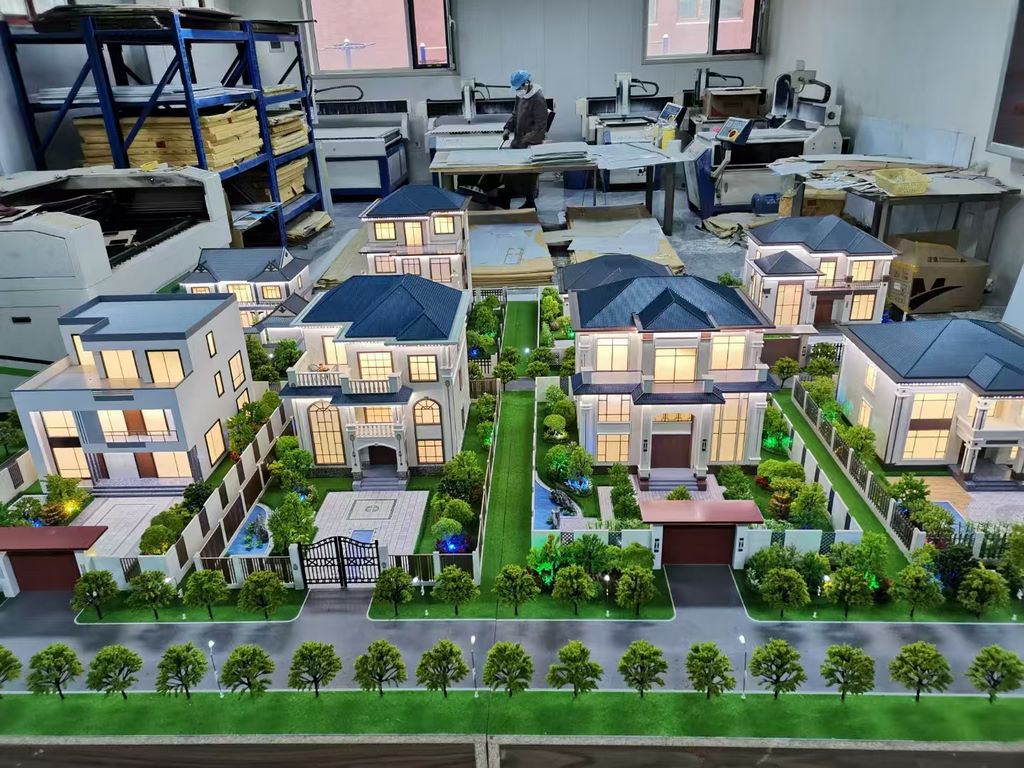
What Is a High End Texture Architectural Sand Table Model?
It is a physical miniature where surface finishes are treated with the same care as a luxury interior.
AHigh End Texture Architectural Sand Table Modeluses:
Real wood veneers (walnut, oak, maple) for decks, cladding, and furniture.
Polished brass, stainless steel, or copper for railings, signage, and accents.
Hand‑applied stone textures (granite, limestone, marble) on building facades.
Cast acrylic with fire‑polished edges for glass curtain walls.
Patinated finishes that age the model tastefully.
The goal is not just accuracy – it is beauty.
These models are often displayed in executive suites, luxury sales centers, and museum galleries.
Why Texture Matters More Than Colour
Colour is flat. Texture has depth.
AHigh End Texture Architectural Sand Table Modelinvites touch (protected behind glass).
Viewers see the grain of wood, the brush marks on painted stone, the reflectivity of polished metal.
Texture communicates quality.
A rough‑cast concrete texture suggests brutalist architecture.
A smooth lacquered finish implies modern luxury.
A weathered brass patina evokes heritage.
InUrban Planning Model Scene Restoration, restoring original textures is the hardest part – because texture cannot be faked with a simple coat of paint.
Materials That Create High‑End Texture
Real Wood Veneers
Veneers are thin slices of natural wood applied to MDF or acrylic cores.
Walnut (dark, rich grain) and oak (lighter, open grain) are popular for decks, pergolas, and base trims.
Advantages: Warmth, authenticity, unmatched grain pattern.
Challenges: Must be sealed to prevent humidity damage.
Polished Metals
Brass, stainless steel, copper, and aluminium add brilliance.
Uses: Railings, light poles, door handles, elevator doors, signage.
For miniature metal parts, theArchitectural Model Mold Making Processcan cast duplicates from a master metal piece, ensuring every railing has identical detailing.
Hand‑Painted Stone Textures
Stone is rarely uniform.
Artists apply base coats, then sponge, stipple, or dry‑brush multiple shades.
Sand or fine aggregates mixed into paint create gritty, realistic surfaces.
Cast Acrylic for Glass
Acrylic itself is clear, but high‑end textures include etched mullions, frosted bands, and mirror coatings.
Edge polishing is critical – a rough edge breaks the illusion.
Fabric and Leather
For interior cutaway models, fabric upholstery (tiny) and leather finishes (painted) add realism to furniture.
Crafting High‑End Textures – Techniques and Tools
Stone Texturing
Mix acrylic paint with fine silica sand or marble dust.
Apply with a palette knife or stipple brush.
After drying, dry‑brush with lighter shades to highlight raised areas.
For larger models, theArchitectural Model Mold Making Processcan create repeatable stone texture panels.
Wood Graining
Base coat with a tan or brown.
Use a wood‑graining tool (a rubber comb) or a feather to drag darker paint through the wet base coat.
Alternatively, apply real wood veneer – the gold standard.
Metal Finishes
Start with a glossy black base coat.
Dry‑brush metallic paint (gold, silver, copper) lightly to create a burnished effect.
For polished brass, use a chrome‑finish paint and a gloss topcoat.
Aged and Patinated Effects
Apply a dark wash (black or brown thinned paint) into crevices.
Wipe away from high points.
This technique works on stone, wood, and metal.
High‑End Texture for Different Model Elements
Building Facades
Skyscrapers gain character from varied materials: glass (acrylic), steel (painted metal), stone (textured paint), and wood (veneer).
For aCustom Miniature Car For Sand Table Model, the vehicles themselves can have painted metallic finishes and tiny chrome details to match the upscale theme.
Landscape
Realistic grass is fine flocking, but high‑end texture adds dirt paths (sanded paint), gravel (crushed walnut shells), and water (glossy resin).
ASimulation Water Landscape Sand Table Modeluses multiple resin layers for depth – a high‑end touch.
Roads and Pavement
Asphalt is not simply grey.
Mix fine sand into grey paint, apply with a sponge, then dry‑brush with lighter grey.
Miniature Figures and Vehicles
Custom Miniature Car For Sand Table Modelvehicles can be painted with metallic automotive finishes and fitted with tiny photo‑etched grilles.
Figures can be hand‑painted with fabric textures (pleats, buttons) using a fine brush.
Integrating High‑End Textures with Other Services
Architectural Model Mold Making Process
When a high‑end model includes repetitive ornate features (columns, cornices, decorative panels), theArchitectural Model Mold Making Processensures that every cast part has the same premium texture.
A master is carved, a silicone mold is made, and copies are cast in resin.
After casting, each copy receives the same hand‑finishing – stone painting, wood graining, or metal leaf.
Urban Planning Model Scene Restoration
Years later, a high‑end texture model may needUrban Planning Model Scene Restoration.
Restoring original textures is the most delicate part.
The restorer must match the exact stone grain, wood species, and metal patina.
If the original molds were kept, new ornate parts can be cast and finished to match perfectly.
Sand Table Model Packaging For Export
High‑end texture models are valuable and fragile.
Sand Table Model Packaging For Exportrequires extra care:
Soft foam contours that do not abrade delicate painted textures.
Anti‑static film to prevent dust attraction.
Climate‑controlled crates to protect real wood veneers from humidity.
Shock monitoring to ensure the crate is not mishandled.
Sand Table Model Long Term Maintenance Plan
ASand Table Model Long Term Maintenance Planfor high‑end texture models includes:
Annual dusting with compressed air – never a cloth.
UV‑blocking protective case to prevent fading of hand‑painted stone and wood.
Professional re‑sealing of wood veneers every 5 years.
Touch‑up of metal finishes using the original paint formulas.
Case Study: High‑End Texture Model for a Luxury Resort
A resort developer commissioned a sand table model of a new beachfront property.
The model required high‑end textures to match the $50 million villas.
Materials used:
Walnut veneer for villa decks and clubhouse trim.
Hand‑painted limestone texture for villa walls (sponged five shades).
Polished acrylic for swimming pools with LED backlighting.
Custom miniature cars with metallic blue paint.
Realistic palm trees with hand‑carved trunks and feather‑like foliage.
TheArchitectural Model Mold Making Processcreated 50 identical balusters for the clubhouse railing.
ASand Table Model Long Term Maintenance Planwas implemented with a UV‑blocking acrylic case.
For international transport to a trade show,Sand Table Model Packaging For Exportused custom foam and a reinforced wooden crate.
Cost Factors for High‑End Texture Models
Material selection– Real wood veneers and polished brass cost more than painted plastic.
Texture complexity– Single stone colour vs. five‑shade hand‑sponged finish.
Number of ornate cast parts– Casting from molds adds upfront tooling cost.
Scale– 1:50 costs more than 1:200 (more surface area to texture).
Lighting integration– LED backlighting for water features and glass buildings.
Typical range: 150,000 for a large resort or downtown master plan with extensive hand‑crafted textures.
Common Mistakes to Avoid
Using glossy clear coat on matte stone– Matte finishes are essential for realistic stone.
Ignoring scale– A wood grain that is too large for 1:200 scale looks like lumber, not fine veneer.
Skipping the protective case– Dust and fingerprints ruin hand‑painted textures.
Mismatched metal finishes– All brass elements should have the same patina.
Future Trends in High‑End Texture
3D printed textured masters– For mold making, printed masters can include micro‑stone patterns.
Photorealistic decals– Printed textures applied to flat surfaces, then sealed.
Real preserved moss and bark– For ultra‑realistic landscape textures (short‑term displays only).
Electroformed metal– Thin metal coatings applied directly to resin casts for true metallic feel.
Conclusion
AHigh End Texture Architectural Sand Table Modelis a fusion of craftsmanship and luxury materials.
It elevates a simple site plan into a gallery‑worthy piece.
Use theArchitectural Model Mold Making Processto repeat ornate details consistently.
When age takes its toll, rely onUrban Planning Model Scene Restorationto revive original textures.
Protect your investment withSand Table Model Packaging For Exportand aSand Table Model Long Term Maintenance Plan.
Add scale withCustom Miniature Car For Sand Table Modelvehicles finished to match the model’s premium aesthetic.
Whether you are presenting a penthouse, a resort, or a downtown landmark, high‑end texture leaves a lasting impression.
Contact a specialist today.
Specify your material palette.
Create a miniature masterpiece.
Ready to commission a high end texture architectural sand table model? Request a consultation with your design files and material preferences. Get a response within 48 hours.


