Sand Table Model Color Restoration Service
Introduction
Colors fade over time.
Sunlight, fluorescent lights, and air pollution dull once‑vibrant models.
A faded model looks old and neglected.
It fails to impress clients or engage museum visitors.
You do not need a full rebuild.
You needSand Table Model Color Restoration Service.
This guide explains why colors fade.
How professionals restore original hues.
And when to call for help.
Let us begin.
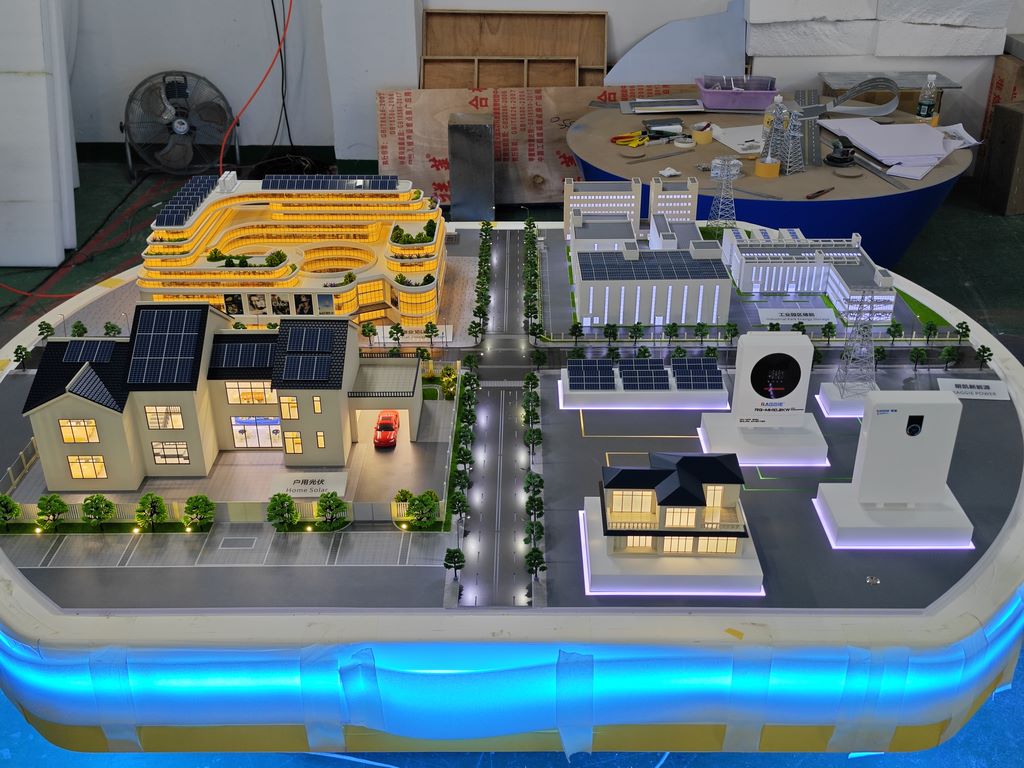
What Is Sand Table Model Color Restoration Service?
It is a specialized service that repaints and refreshes discolored or faded sand table models.
Sand Table Model Color Restoration Serviceincludes:
Color matching to original manufacturer swatches or reference photos.
Surface preparation (cleaning, light sanding, masking).
Airbrushing or hand‑painting faded areas.
Reapplying weathering and shadows.
Sealing with UV‑protective clear coats.
The goal is to restore the model to its original appearance – or better.
Why Colors Fade
UV Radiation
Sunlight is the main culprit.
UV breaks down pigments in paints, flocking, and resins.
AnAcrylic Material Architectural Scale Modelwith UV‑blocking additives resists fading longer, but no material is immune.
Fluorescent and LED Lights
Over time, even indoor lighting can fade certain pigments.
Red and blue are most sensitive.
Air Pollution
Ozone and other pollutants react with paints and resins, causing yellowing or bleaching.
Physical Abrasion
Dusting and cleaning can wear away the top paint layer, exposing duller underlayers.
Signs Your Model Needs Color Restoration
Buildings that were once warm grey now look pale blue.
Lawns that were vibrant green are now yellow‑brown.
Resin water has turned cloudy or yellow.
Road markings have disappeared.
Hand‑painted details are barely visible.
If your model shows these signs, schedule aSand Table Model Color Restoration Servicebefore further degradation occurs.
The Color Restoration Process
Step 1 – Assessment and Color Matching
The technician examines the model under controlled lighting.
Original colors are matched using manufacturer archives or digital colorimeters.
ForAcrylic Material Architectural Scale Modelpieces, special care is taken to avoid scratching transparent surfaces.
Step 2 – Cleaning and Surface Preparation
The model is gently cleaned with compressed air and soft brushes.
Flocking is vacuumed to remove dust.
Resin water is polished or, if badly yellowed, removed and recast.
Step 3 – Masking and Protection
Areas that should not be repainted (e.g., windows, LED light pipes) are masked.
TheSand Table Model Dust Cover Custom Madeis often removed during this process and cleaned separately.
Step 4 – Repainting
Airbrushing– For large areas like roofs, lawns, and water bodies.
Hand painting– For fine details like window mullions, signage, and weathering.
Colors are applied in thin layers to avoid obscuring texture.
Step 5 – Weathering and Detailing
After base colors are restored, shadows, stains, and wear are added.
This step uses the same techniques asHigh Simulation Miniature Model Making– subtle aging makes the model believable.
Step 6 – Sealing
A UV‑stable matte or satin clear coat is sprayed over painted areas.
This protects against future fading and makes cleaning easier.
Step 7 – Reassembly and Final Inspection
Trees, road sections, and other removable elements are reattached.
The model is inspected under daylight and indoor lighting.
The dust cover is replaced.
Integration with Other Restoration Services
Color restoration often accompanies other repairs.
AnArchitectural Sand Table Model Repair Servicemay fix broken buildings before repainting.
Urban Planning Model Maintenance And Restorationincludes color restoration as part of a comprehensive refresh.
After repainting, aSand Table Model Dust Cover Custom Madeensures the new colors last longer.
CustomModel Landscape Tree And Road Customelements can be repainted or replaced during the color restoration process.
Case Study: Museum Model Restored After 10 Years
A natural history museum had a 10‑year‑old diorama model.
The grass was brown, the river was yellow, and the buildings had faded to pastel.
They commissioned aSand Table Model Color Restoration Service.
The team:
Recalled original colors from archive photos.
Re‑flocked the grass with fresh electrostatic grass.
Re‑cast the river with clear epoxy resin.
Repainted every building facade.
The restored model looked brand new.
Cost was 25% of replacement.
Cost Factors for Color Restoration
Model size– Larger models cost more.
Extent of fading– Minor touch‑up vs. full repaint.
Color complexity– Single color vs. multiple custom mixes.
Detailing level– Basic repaint vs. re‑weathering and shadowing.
Accessibility– Removing trees or buildings for repainting adds labor.
Typical range: 12,000 for a large, highly detailed museum model.
When to Restore vs. Replace
Restore if:
The model is structurally sound.
The original design files are available (for color matching).
Replacement cost is more than 3x the restoration estimate.
Replace if:
The model is severely warped or damaged.
LEDs and electronics are beyond repair.
The original paint colors cannot be matched.
Preventing Future Fading
After restoration, protect your investment.
Install aSand Table Model Dust Cover Custom Madewith UV‑blocking acrylic.
Place the model away from direct sunlight.
Use LED lights with low UV output in the display area.
Schedule annual inspections as part ofUrban Planning Model Maintenance And Restoration.
DIY vs. Professional Color Restoration
| Task | DIY | Professional |
|---|---|---|
| Color matching | Difficult (needs spectrocolorimeter) | Yes |
| Airbrushing large areas | Requires equipment and skill | Yes |
| Hand‑painting fine details | Possible with experience | Yes |
| Weathering and aging | Hard to replicate original style | Yes |
| Sealing | Yes (with proper materials) | Yes |
For valuable or complex models, always choose professionalSand Table Model Color Restoration Service.
Common Mistakes to Avoid
Donotuse house paint on models – it is too thick and will obscure details.
Donotskip surface cleaning – dust and grease prevent paint adhesion.
Donotuse glossy clear coat on buildings intended to look matte.
Donotforget to re‑seal after repainting – otherwise fading returns quickly.
Future Trends in Color Restoration
Digital color matching– Spectrometers that precisely match original shades.
UV‑cured paints– Longer‑lasting, faster drying.
Self‑healing clear coats– Scratch‑resistant top layers.
Eco‑friendly paints– Low‑VOC, non‑toxic formulations.
Conclusion
Sand Table Model Color Restoration Servicebrings life back to faded miniatures.
It is more economical than rebuilding and preserves the original craftsmanship.
Whether your model is anAcrylic Material Architectural Scale Modelwith yellowed panels, requires anArchitectural Sand Table Model Repair Servicealongside painting, needs regularUrban Planning Model Maintenance And Restoration, is protected by aSand Table Model Dust Cover Custom Made, or includes customModel Landscape Tree And Road Customelements, color restoration is a vital service.
Contact a specialist today.
Send photos of your faded model.
Get a color restoration quote.
Ready to restore your sand table model’s original colors? Request an assessment with photos of the fading. Get a response within 48 hours.


