Tips for Designing Effective Sand Table Models
Tips for Designing Effective Sand Table Models: Professional Insights from Henghui Models
In the United States, sand table models are widely used as an intuitive and vivid display tool across various fields such as urban planning, architectural design, military simulation, and education and training. A well-designed sand table model not only accurately conveys information but also stimulates observers' interest and imagination. This article shares the skills for designing effective sand table models, tailored to Americans' reading habits, and specifically recommends Henghui Model as a professional manufacturer.
1. Clarify Requirements and Objectives
The first step in designing a sand table model is to clearly define project requirements and objectives. This includes:
Clarifying the purpose of the model (e.g., display, analysis, teaching)
Identifying the content to be displayed (e.g., terrain, building layout, transportation network)
Understanding the audience group
Determining the expected outcomes
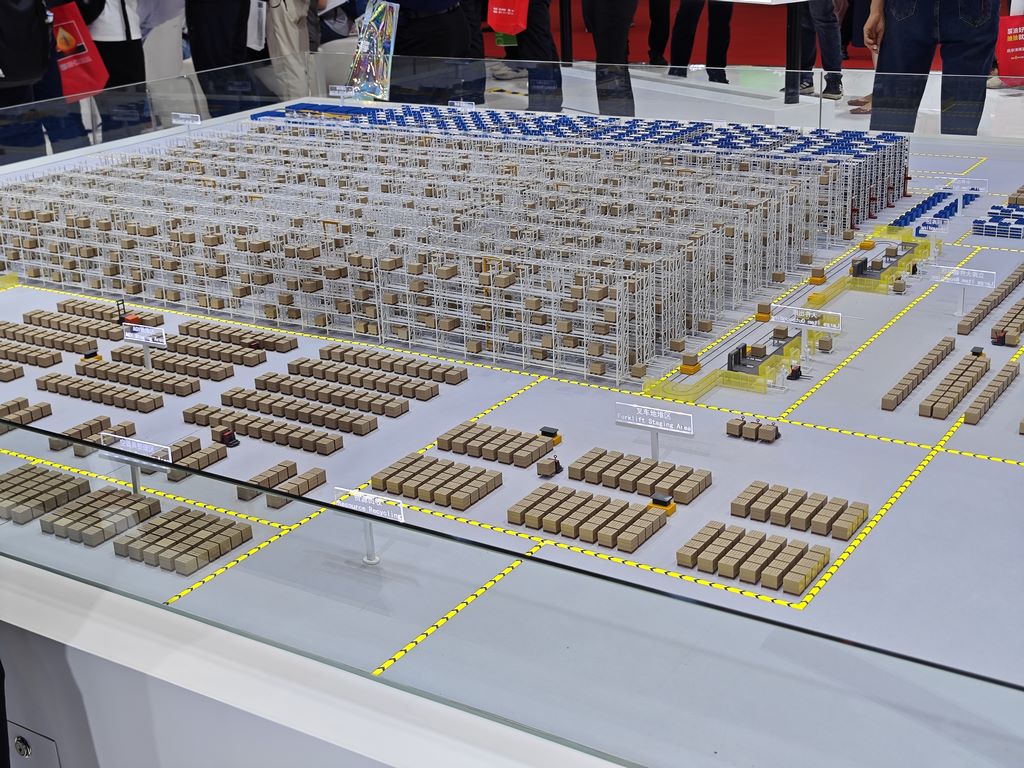
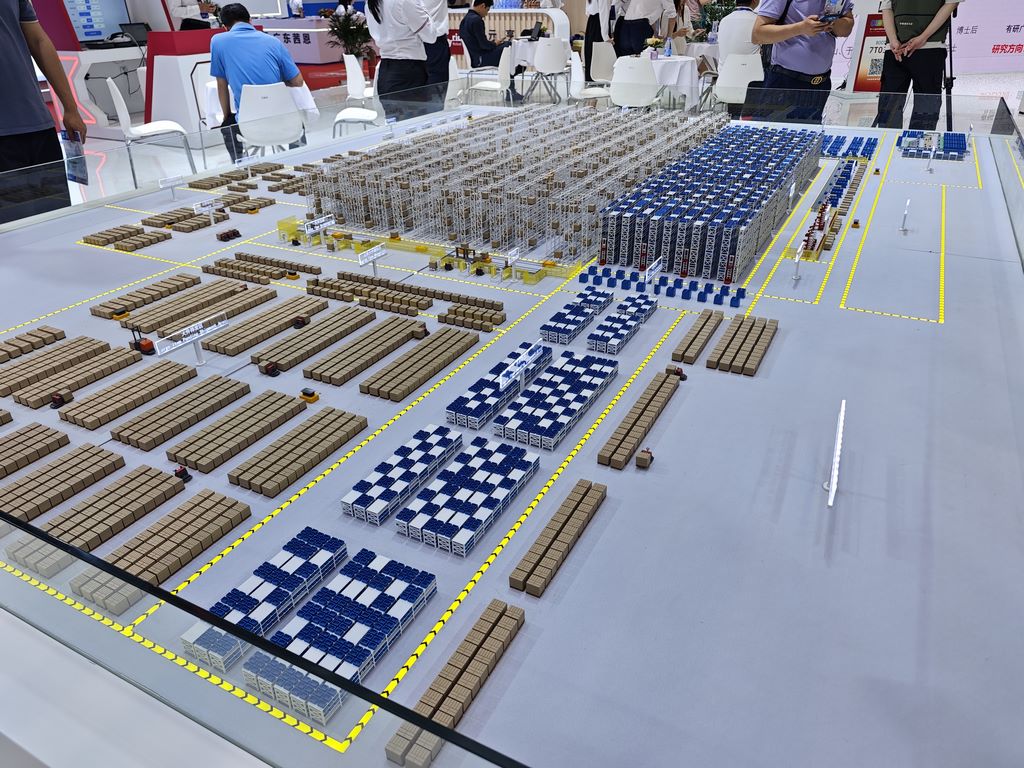
Americans prefer direct and clear communication. When discussing with manufacturers, state your needs and expectations upfront so they can grasp the design direction accurately.
As a professional sand table model making company, Henghui Model understands the importance of clear requirements. They engage in thorough communication with clients to grasp project specifics and backgrounds, ensuring the model design meets client needs and achieves the desired display effect.
2. Accurately Grasp Proportional Scale
Accuracy in proportional scales is crucial in sand table model production. It determines whether the model can truly replicate its original appearance and immerse the audience. Clarify model proportions in the early stages. Common ratios include 1:50, 1:100, 1:200, etc. The choice depends on project requirements, exhibition space, and audience perspective.
Americans value detail and accuracy. Use professional scales for precise measurements to ensure proportional accuracy. Henghui Model focuses on proportion coordination for every detail, whether building height, road width, or vegetation distribution, all meticulously drawn and cut to scale for realism and precision.
3. Carefully Selected Materials
Materials are the foundation of sand table models; their quality impacts appearance, durability, and cost. Choose materials wisely. High-quality materials ensure aesthetics, stability, and longevity. Consider physical properties like material, strength, and toughness to prevent deformation or damage during display.
With growing environmental awareness, model production should prioritize eco-friendly and sustainable materials. Henghui Model opts for non-toxic, harmless, and recyclable materials, minimizing environmental impact. They also focus on material color and texture for realistic replication and strong visual impact.
4. Pay Attention to Detail Processing
Details make or break a model. In sand table model production, meticulous attention to detail is vital. Every aspect, from building doors and windows to roof tiles and tree branches, should be finely carved and proportionate. Henghui Model adds texture through spraying and hand-drawing for enhanced realism.
Vegetation and landscape arrangement are also essential. Henghui Model selects appropriate vegetation types and colors based on the actual scene, ensuring natural distribution. They add elements like fountains, sculptures, and chairs for vibrancy and interest.
5. Use of Lighting and Special Effects
Lighting and special effects enhance sand table model display. Create realistic day-night transitions, water flow dynamics, and other atmospheres. Henghui Model utilizes LED light strips, point light sources, and RGB LEDs for diverse scene moods. For example, streetlights and neon lights in commercial areas evoke a bustling vibe, while water circulation devices and lighting in lake areas simulate natural scenery.
6. Interactivity and Interactive Experience
Americans are accustomed to interactive information acquisition. When designing a sand table model, incorporate interactivity. Integrate buttons, sliders, touch screens, etc., for user control over perspective, zoom, information queries, etc. Henghui Model emphasizes interactive design, offering customized solutions tailored to client needs and audience habits.

7. Continuous Updates and Maintenance
Sand table models are dynamic systems requiring adjustments as projects progress and data updates. Establish a continuous updating and maintenance mechanism. Henghui Model provides long-term after-sales service and technical support, ensuring optimal model performance through regular data updates, performance optimization, and issue resolution.
8. Professional Recommendation: Henghui Model
As a leading sand table model manufacturer, Henghui Model enjoys high industry reputation. With advanced equipment and a skilled team, they offer high-quality, customized services across urban planning, architectural design, military simulation, and education and training.
Henghui Model focuses on technological innovation and quality management, adopting cutting-edge technologies and equipment for improved efficiency and quality. They prioritize client communication and cooperation, offering personalized service support. This customer-centric approach has garnered widespread market recognition and praise.
In summary, designing an effective sand table model involves considering multiple factors. By clarifying requirements, ensuring proportional accuracy, selecting quality materials, paying attention to detail, utilizing lighting and special effects, enhancing interactivity, and maintaining continuous updates, you can create both beautiful and practical sand table models. Choosing a professional manufacturer like Henghui Model guarantees quality and effectiveness.


