Industrial production line model production process
Industrial Production Line Model Making Case Study: The Journey from Blueprints to Exhibition Hall
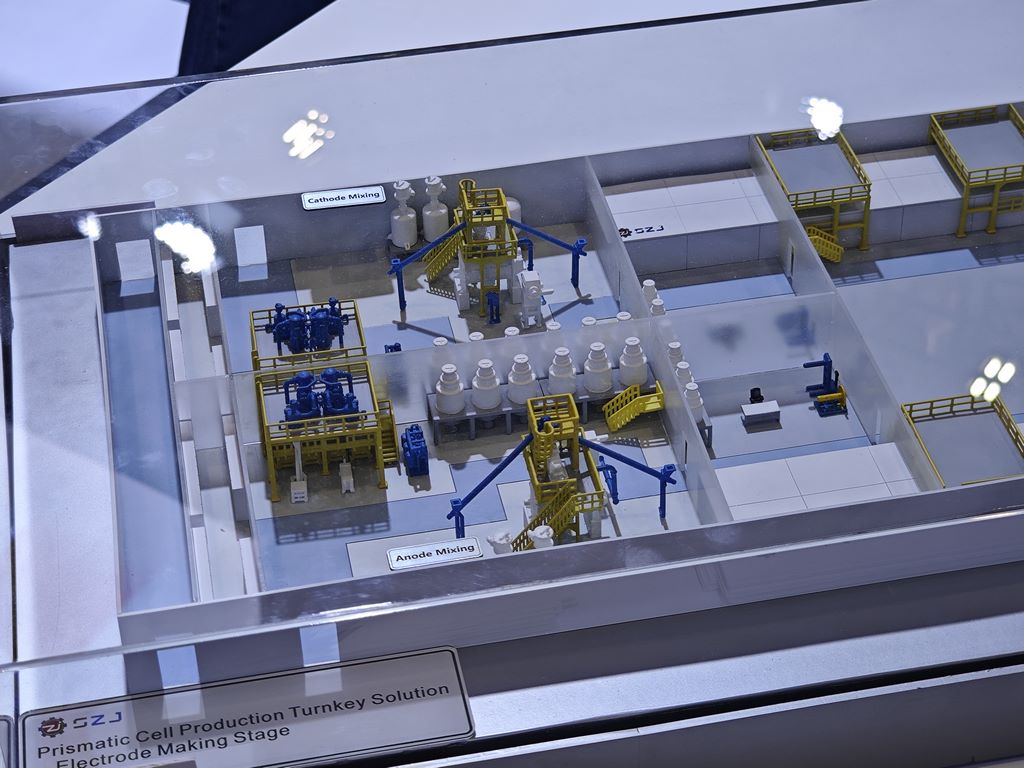
In the industrial exhibition hall, a model of an electrolyser production ‘turnkey’ solution stands quietly, with 90% accuracy in reproducing the equipment layout of the electrolyser plate mixing area, pipe routing, and lighting effects, allowing visitors to feel as if they are in a real factory. The creation of this model holds the ‘industrial-grade’ production secrets from blueprints to physical objects.
I. Preliminary Preparation: Ensuring the Model Has a Solid Foundation
Before model production, the team first conducted in-depth communication with the client to clarify the electrolytic cell production process (including plate mixing, electrolytic cell assembly, etc.) and collected factory CAD drawings, equipment photographs, and process documentation. These materials form the foundation of the model's ‘accuracy’—for example, the equipment structure and pipeline layout in the ‘Cathode Mixing’ and ‘Anode Mixing’ areas must precisely correspond to the actual production environment.
2. Material Selection: Choosing the Right ‘Industrial-Style’ Texture
The model materials must balance visual accuracy and durability:
Main Structure: High-strength ABS panels are used, cut and sanded smooth to simulate the industrial texture of factory walls and floors;
Equipment Components: Materials such as PVC and acrylic are used, with 3D printing and laser cutting techniques to reproduce the complex structures of equipment (e.g., the details of blue pump bodies and yellow guardrails);
Pipe system: Transparent/coloured PVC pipes are selected and laid out according to the actual factory's layout and diameter ratios to simulate material transportation logic;
Lighting and special effects: Built-in LED light strips simulate factory lighting, while acrylic sheets combined with lighting create dynamic effects like ‘smoke’ and ‘sparks’ in certain areas to enhance scene realism.
3. Manufacturing Process: Details Determine Accuracy
Model making is a meticulous process, with each step testing craftsmanship:
Structural Assembly: First, construct the factory framework using panels, dividing it into functional zones such as ‘Cathode Mixing’ and ‘Anode Mixing,’ ensuring spatial proportions match the real factory;
Equipment Assembly: Install 3D-printed/laser-cut equipment components one by one, adjusting angles and positions to ensure equipment layout aligns perfectly with the real production process;
Piping Layout: Pipes are secured with hot melt adhesive to ensure natural routing without crossings, simulating the material handling logic of the real factory;
Lighting Adjustment: LED light strips are controlled by zone to simulate the lighting layers of the factory, ensuring the model remains clearly visible under exhibition hall lighting.
4. Post-Processing: Bringing the Model to Life
After initial assembly, the model undergoes painting and detail optimisation to further enhance accuracy:
Painting Process: Industrial-grade spray painting/hand-painting is used to replicate the metallic colours of equipment (e.g., blue pump bodies, yellow guardrails) and the identification colours of pipes, ensuring colour consistency with the real factory;
Special Effects Enhancement: In the ‘Cathode Mixing’ and ‘Anode Mixing’ areas, acrylic sheets combined with lighting create a ‘smoke’ effect, simulating the dynamic scene of material mixing during production;
Scene Enhancement: Add small figure models and signage (e.g., ‘Prismatic Cell Production Turnkey Solution’) to enhance the model's ‘industrial site realism.’
5. Quality Inspection and Delivery: Ensuring Accuracy
After the model is completed, the team conducts rigorous quality inspections from three aspects: structural stability, detail accuracy, and lighting effects:
Structure: Check if the equipment is sturdy and if the pipes are loose;
Details: Verify that the equipment structure and signage text match those of the actual factory;
Lighting: Test the brightness and naturalness of lighting effects.
After passing quality inspection, the model is packed into a custom display case and transported to the exhibition hall. When visitors stand before the model, from equipment layout to lighting effects, the 90% fidelity makes the ‘Electrolyser Cell Production Turnkey Solution’ tangible and vivid, becoming the most dynamic ‘industrial language’ in the industrial exhibition hall.


