From booth to order: How industrial models facilitate customer conversion?
In today's fiercely competitive industrial market, product display and marketing strategies are crucial for business success. A well-designed booth can attract the attention of potential customers, but conversion can only occur when these customers realize that their needs can be met through your product or service. As a key tool for showcasing product functionality, performance, and design, industrial models play a crucial role in facilitating customer conversion processes. This article will explore how industrial models can attract customers at exhibitions and ultimately translate into actual orders.
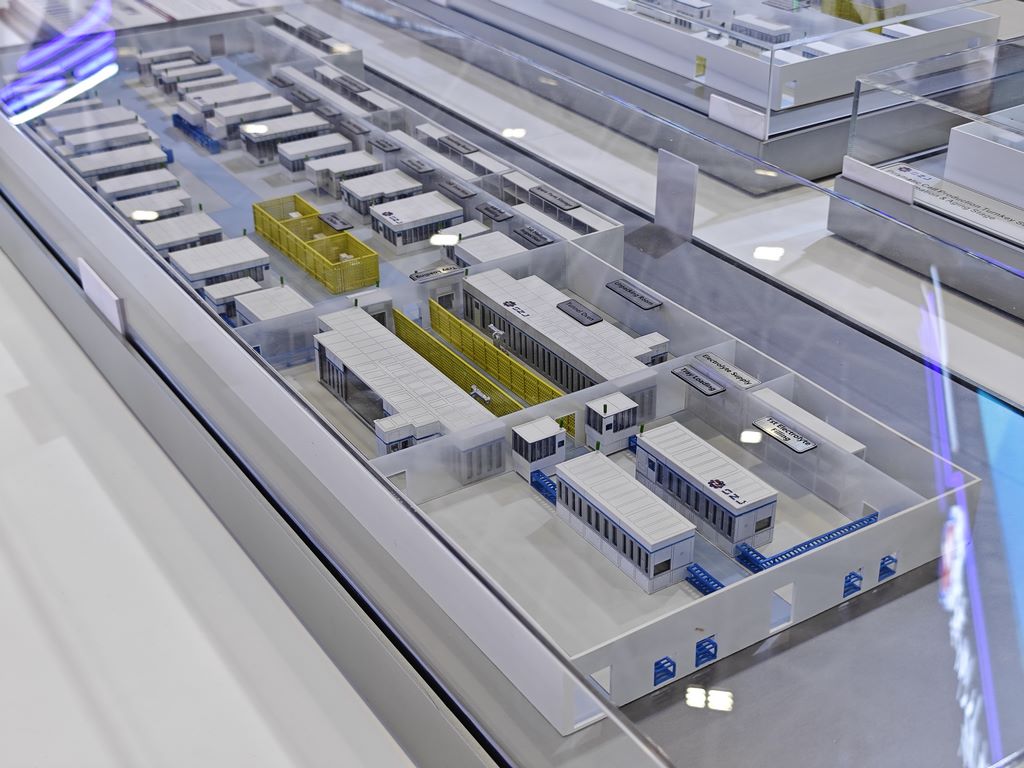
The Importance of Industrial Models
Industrial models are an indispensable part of the product design and development process. They help designers, engineers, and potential customers intuitively understand the functionality, performance, and design details of the product. By using high-quality materials and technology, industrial models can accurately reflect the appearance and feel of products, thereby enhancing customers' purchasing confidence. In addition, industrial models can also be used to demonstrate the working principle of products, allowing customers to have a deeper understanding of the product's performance and advantages.
The core elements of booth design
In order to maximize the effectiveness of industrial models, the design of exhibition booths must be carefully planned. Firstly, the booth should be able to highlight the characteristics and advantages of the displayed model. This may include using high-definition projection technology to showcase the details of the model, or simulating the actual usage of the product through interactive screens. Secondly, the exhibition booth should provide sufficient information so that potential customers can easily understand the features and characteristics of the product. This may include providing detailed product specifications, technical parameters, and user evaluations. Finally, the design of the booth should align with the brand image and be consistent with the theme and objectives of the exhibition.
How to promote customer conversion through industrial models
Get attention: Attract potential customers' attention through captivating booth design and eye-catching industrial models. Ensure that the model has high-resolution images and clear details so that customers can clearly see the characteristics of the product.
Providing Value: Providing potential customers with information about the product to help them understand its value and advantages. For example, by providing information such as product specifications, technical parameters, and user evaluations, potential customers can better understand the characteristics and applicability of the product.
Stimulating Interest: Inspire potential customers' interest through interesting interactive elements and presentations. For example, virtual reality technology can be used to simulate the usage of products in actual environments, or to demonstrate the actual operational effects of products through on-site demonstrations.
Facilitate decision-making: Provide clear purchasing options and promotional strategies to encourage potential customers to make purchasing decisions. For example, models at different price levels can be provided for customers to choose from, or incentives such as limited time discounts and coupons can be offered.
Establishing contact: By providing contact information and follow-up services, establish contact with potential customers and maintain communication. For example, a consultation desk can be set up on the exhibition booth to provide a professional sales team for one-on-one communication and service with customers.
Conclusion
The role of industrial models at exhibitions cannot be underestimated. Through carefully designed exhibition booths and high-quality industrial models, businesses can effectively attract the attention of potential customers and provide valuable information to facilitate their decision-making process. Ultimately, through effective communication and service, industrial models can help businesses achieve the transition from exhibition booths to orders. Therefore, investing in the design and production of industrial models is crucial for enhancing a company's competitiveness and market share.


