Static model customization material: Model manufacturer can choose metal/resin/acrylic as needed
In today's 3D printing and modeling field, material selection is crucial for the quality and appearance of the final product. As a popular art and educational tool, the selection of customized materials for static models is particularly crucial. This article will delve into the three different materials provided by model manufacturers: metal, resin, and acrylic, as well as their respective characteristics and applicable scenarios.
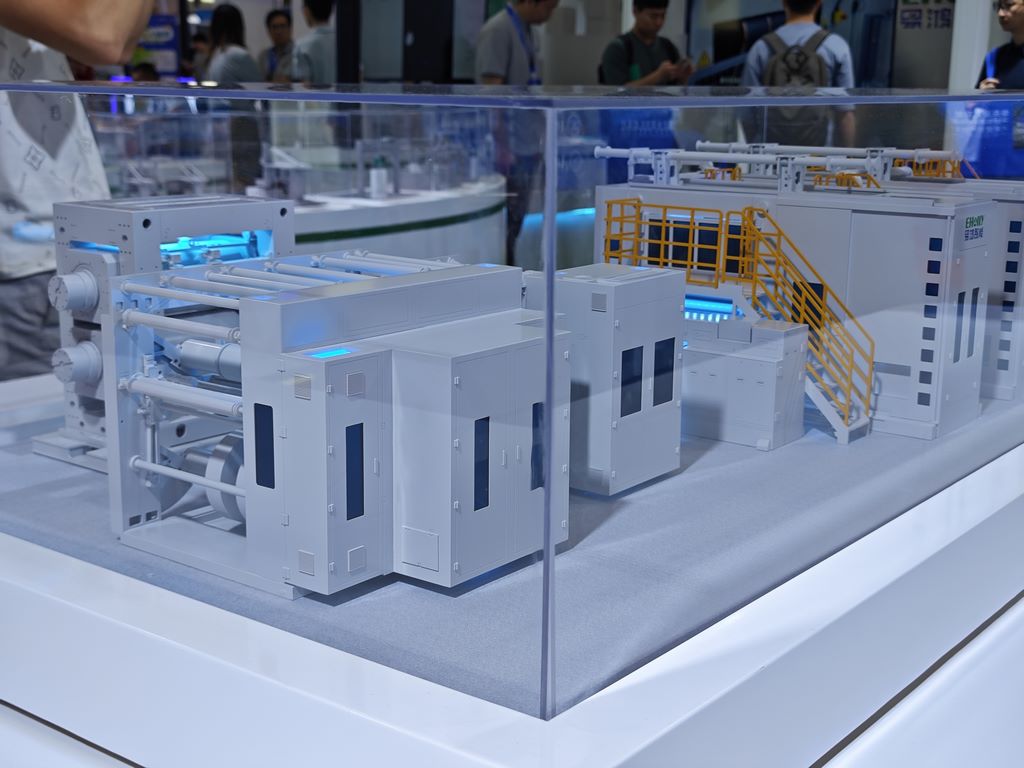
Metal materials are favored for their sturdy and durable characteristics. Metal models are commonly used to showcase details in fields such as industrial design, mechanical engineering, or aerospace. For example, car manufacturers may use metal models to simulate engine components or the overall structure of vehicles. This material not only provides high fidelity, but also allows users to make fine modifications and adjustments to meet specific design requirements.
Resin is a common material for model making, which has good plasticity and transparency. Resin models are commonly used in architectural visualization, urban planning, and education and training. Through precise cutting and assembly, users can construct complex 3D models that can be used for teaching demonstrations or as part of exhibitions. A significant advantage of resin models is their flexibility, allowing users to easily modify and upgrade the models.
Acrylic is a semi transparent and impact resistant material commonly used in outdoor billboards and display cabinets. Acrylic models are widely used in commercial displays and brand promotion due to their excellent visual effects. Due to the transparency of acrylic, it can create eye-catching light and shadow effects, adding extra appeal to the product.
When selecting model materials, it is crucial to consider the following factors:
Purpose and requirements: Clearly define the purpose and expected use of the model, and select the most suitable material.
Budget: The cost of different materials varies greatly, so it is necessary to plan the budget reasonably.
Accuracy and Detail: Select appropriate materials based on the accuracy requirements of the model to ensure the realism of the final effect.
Environmental factors: Consider the environmental conditions for placing the model, such as temperature, humidity, etc., and select suitable materials.
Post maintenance: Evaluate the durability of materials and the ease of cleaning and maintenance.
In practical operation, model manufacturers usually provide a range of customization options to meet the needs of different customers. From the hardness of materials to the selection of colors, and then to the addition of textures, customers can customize according to their preferences and needs. In addition, with the development of technology, some model manufacturers have also provided digital printing technology, which can directly convert digital files into physical models, not only improving production efficiency but also reducing costs.
Choosing the appropriate model material is crucial for the successful production of static models. By delving into the characteristics and applicable scenarios of various materials, and selecting based on actual needs, it can ensure that the final product meets expectations and has high quality. Whether it's industrial design, architectural visualization, or educational training, suitable materials can add infinite possibilities to static models, making them powerful tools for conveying information and creating aesthetics.


