Aircraft Model Making: A Precise Miniature of Soaring Blue Sky
Aircraft Model Making: A Precise Miniature of Soaring Blue Sky
Aircraft model making is a high-precision process of proportionally replicating real aircraft, integrating aerodynamics, materials science, precision manufacturing, and artistic aesthetics. Whether it is military fighter jets, civilian passenger planes, or general aviation small planes, their models are not only treasures for aviation enthusiasts to collect, but also important carriers for showcasing the aviation industry, flight teaching, film and television props, and popular science education.
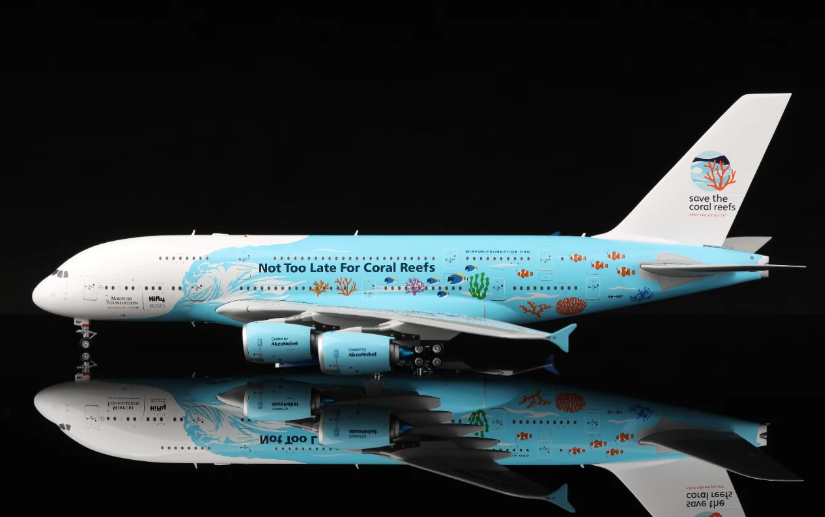
Aircraft models can be divided into static display type, dynamic remote control type, and teaching anatomy type according to their purposes. Static models focus on highly reproducing appearance details, including skin rivets, landing gear structures, engine blades, airline coatings, and even window reflections; Teaching models often use cross-sectional or transparent designs to explain flight principles, fuel systems, or avionics layouts. The production materials include lightweight wood, ABS plastic, metal alloys, and composite resins. The process involves 3D modeling, CNC carving, manual polishing, multi-layer spraying, and precision assembly, with extremely high requirements for proportion accuracy and surface smoothness.
The value of airplane models goes far beyond 'simulation'. In the field of aviation manufacturing, 1:10 or 1:20 conceptual models are commonly used for new aircraft design reviews, helping engineers visually evaluate the aerodynamic shape and aesthetic proportions; In museums and air shows, high-precision models have become a window for the public to understand aviation technology; In military units, models are used for tactical deduction and equipment recognition training; In youth science popularization activities, assembling models has further stimulated countless children's dreams and exploration enthusiasm for flying.
To customize a professional level aircraft model, detailed information must be provided, including the full name of the aircraft model (such as Boeing 787-9, J-20), high-definition multi angle photos, three view or 3D digital model files, painting scheme (including airline logo, registration number, special colors), and clear proportions (commonly 1:48, 1:72, 1:144), whether it comes with a base and nameplate, whether movable parts are required (such as flaps, landing gear retraction), and whether LED lights (navigation lights, cabin lighting) are integrated. For historical models, it is also necessary to confirm the configuration details of specific eras to ensure historical accuracy.
It is worth mentioning that with the popularization of 3D printing and laser cutting technology, the threshold for making airplane models has been lowered, but high-end collectible models still rely on the experience of craftsmen - the curvature of a wing and the transition of a coating often determine the charm and value of the model.
In short, although airplane models cannot truly take off, they carry humanity's infinite longing for the sky. It is not only a miniature crystallization of engineering technology, but also a silent inheritance of aviation culture. In every inch, we can touch the dream in the clouds and feel the power and elegance of the steel wings cutting through the sky.


