Step-by-Step Guide to Crafting High-Precision Industrial Equipment Models
Step-by-Step Guide to Crafting High-Precision Industrial Equipment Models
In the global industrial exhibition and business communication, high-quality equipment models are essential for enterprises to display their products and technological strength. Unlike ordinary props, industrial equipment models require strict adherence to the original design, with a replication accuracy of over 90%, and every production step needs to be meticulous to perfectly present the structure, texture and functional characteristics of the equipment. Below is a detailed introduction to the complete production process of industrial equipment models, showing the integration of craftsmanship and precision.
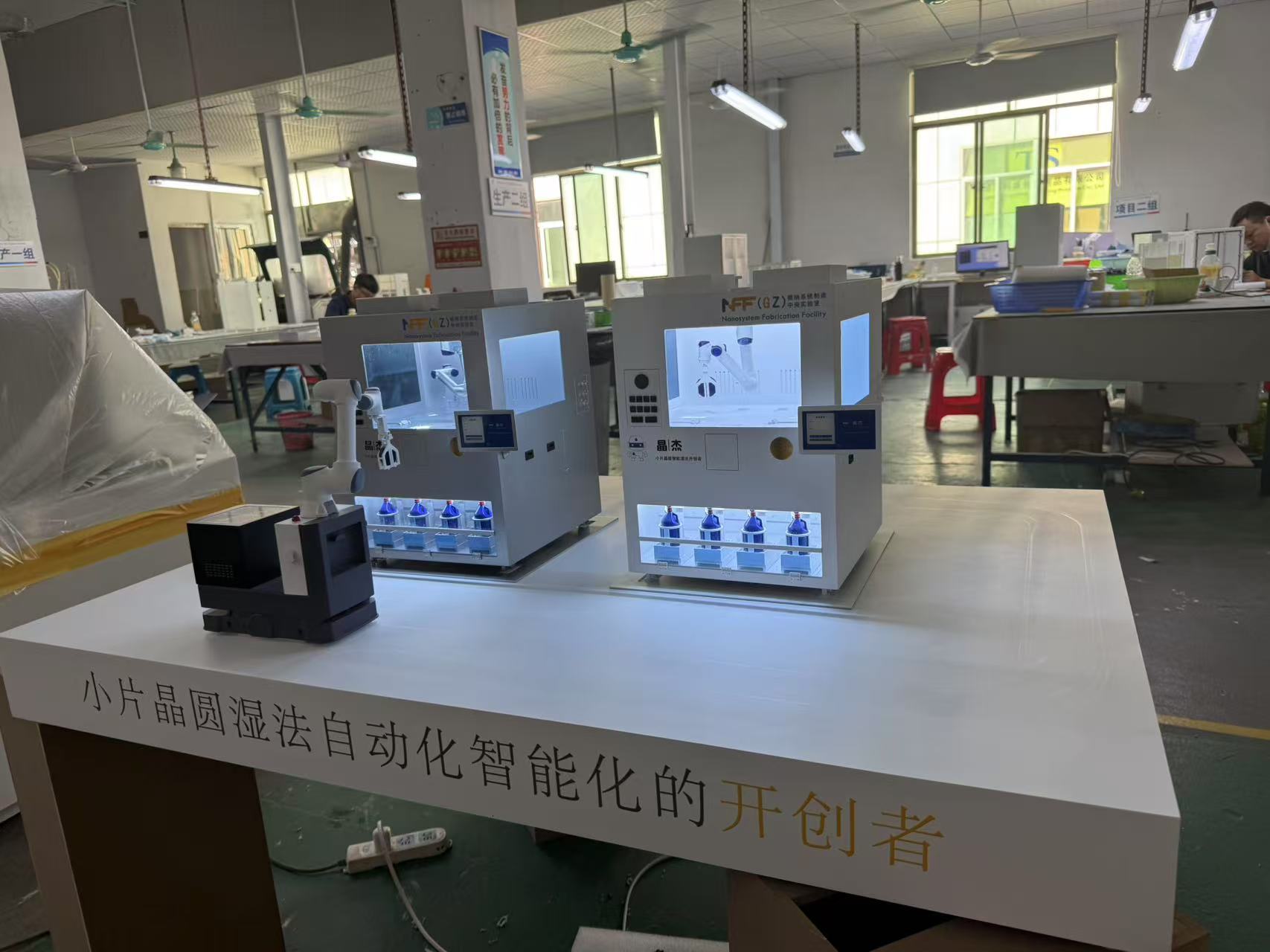
Before starting production, our team first conducts in-depth research on the original equipment, collects detailed images and design drawings, and confirms the scale and key display points of the model. Then we select materials according to the characteristics of the equipment: the main frame of the equipment is made of high-strength ABS plastic, which is easy to cut and polish, and can maintain structural stability; the precision internal components such as gears and valves are made of 3D-printed photopolymer resin, which can accurately restore the complex details; the transparent parts such as observation windows are made of high-clarity acrylic, ensuring the visibility of internal structures; auxiliary materials include environmentally friendly model glue, fine sandpaper, industrial paint, UV-printed labels and miniature LED lights.
The second step is to produce internal precision components. For complex parts that are difficult to process manually, we use 3D printing technology to print the components layer by layer according to the digital model. After printing, each component is carefully polished to remove burrs and defects, ensuring that the shape and texture are consistent with the original equipment. For simple components such as pipelines and railings, we cut the ABS strips with a laser and bend them into the required shape, then fix them in the designated position with glue.
Finally, we apply a layer of matte clear paint to the entire model, which not only protects the paint surface from scratches and dust, but also reduces glare, making the texture of the model more realistic. We also use UV printing technology to print the company logo and equipment name on the model, ensuring clarity and durability.


