Civilian Equipment Miniature Model Production Case
2026-03-28 16:01
20
Civilian Equipment Miniature Model Production Case
Production Case of High-Precision Civilian Equipment Miniature Model
This case focuses on the full production process of a 1:20 scale civilian energy storage cabinet miniature model, with a replication accuracy of over 90%. The model is designed for overseas exhibition display, so all production links strictly follow international standards, focusing on material durability, production precision and export-friendly performance, while ensuring the model perfectly restores the original equipment’s structure and details.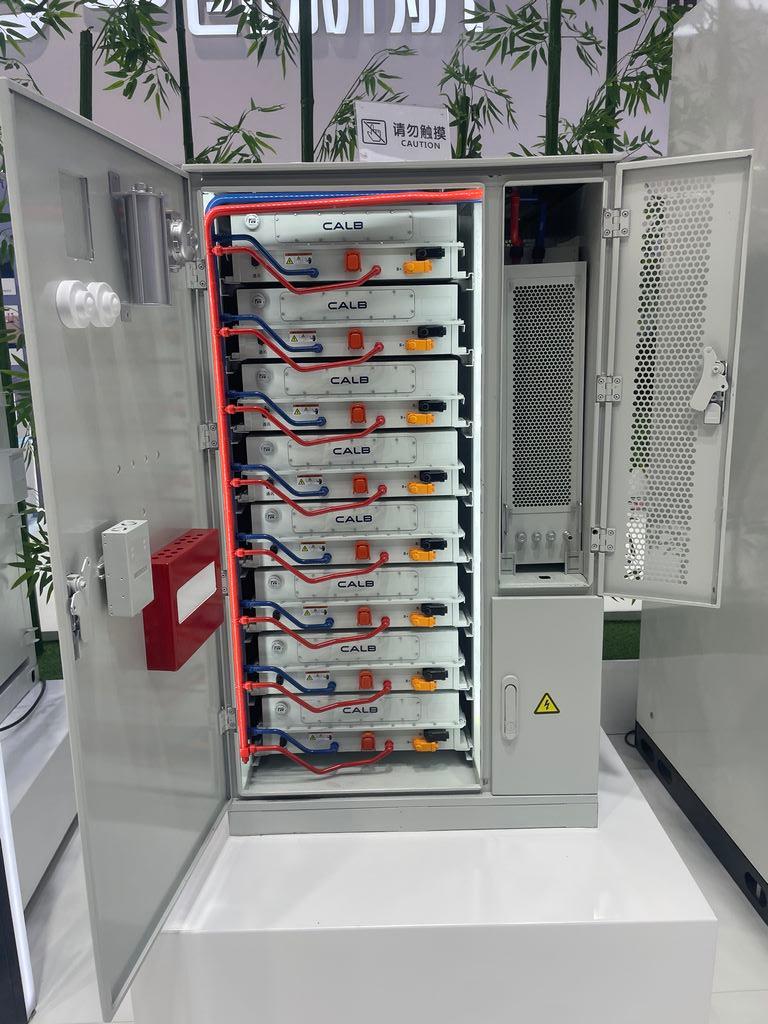
Material Selection for Production: To meet the requirements of long-distance overseas transportation and long-term exhibition, materials are carefully selected for stability and lightness. The main frame of the model is made of high-grade ABS plastic, which has excellent rigidity and impact resistance, is not easy to warp or crack, and is easy to process. Internal precision components such as battery modules, control knobs and cooling system simulators are made of 3D-printed photopolymer resin, which can accurately reproduce the tiny structure and texture of the original equipment. Transparent observation windows are made of high-clarity acrylic, which mimics the light transmission effect of real glass and ensures the internal details are clearly visible. Auxiliary materials include eco-friendly industrial adhesive, fine-grit sandpaper, industrial-grade spray paint, UV printing materials and miniature LED lights.
Detailed Production Process: First, the design team converts the original equipment’s CAD drawings into a scaled 3D model, optimizing the structure to ensure the rationality of component assembly and the convenience of transportation. Then, laser cutting technology is used to process the ABS plastic into frame components of accurate size, and the components are bonded with eco-friendly adhesive, and the joint parts are reinforced to ensure the overall stability of the frame. After the frame is assembled, it is fully sanded to eliminate seams and burrs, laying a foundation for subsequent processing.
Next, the internal precision components are 3D-printed layer by layer according to the 3D model. After printing, each component is manually polished to remove layer lines and defects, ensuring that the shape and size are completely consistent with the original equipment. The polished internal components are accurately installed in the frame according to the layout of the original equipment, ensuring the rationality of the internal structure and the consistency of the overall proportion.
Finishing and Post-Processing: To enhance the realism and durability of the model, the finishing stage is carried out strictly. First, the entire model is thoroughly sanded to make the surface smooth and free of impurities. Then, industrial gray spray paint (consistent with the original equipment color) is sprayed evenly, and a primer is applied in advance to ensure the paint adhesion. After the base paint is dry, a layer of matte clear coat is sprayed to prevent scratches and dust, and reduce glare during exhibition display. Finally, English labels of equipment parts are made by UV printing and accurately pasted on the corresponding positions of the model to facilitate overseas audiences’ understanding. Miniature LED lights are embedded in the control panel and battery area to simulate the power-on operation state of the equipment, enhancing the display effect.
Production Inspection: After the model is completed, a comprehensive inspection is carried out, focusing on checking the replication accuracy of details, the firmness of component assembly, the uniformity of the paint surface and the normal operation of LED lights. The model is then packaged with custom foam and a rigid carton to ensure it remains intact during long-distance air transportation, meeting the display needs of overseas exhibitions.
Name:
Message:
Verification code: 
Submit
Comment
Contanct us
MAIL:info@hhminimodel.com
TEL:+86 18923796542
ADDRESS: Building 4, No. 341 Xiangmang West Road, Qingxi Town, Dongguan City


WhatsApp:+86 18923796542
Mail:info@hhminimodel.com
message:We will reply within 8 hours
Scan QRcode
WeChat