Sand Table Model Moving And Installation
Introduction
Sand table models are valuable and fragile.
Moving one is not like moving a piece of furniture.
A simple bump can break off a hand‑made tree.
A sudden jolt can crack an acrylic water feature.
You need experts.
That isSand Table Model Moving And Installation.
This guide explains how professionals move models safely.
What to do before, during, and after a move.
And how to ensure your model arrives in perfect condition.
Let us begin.
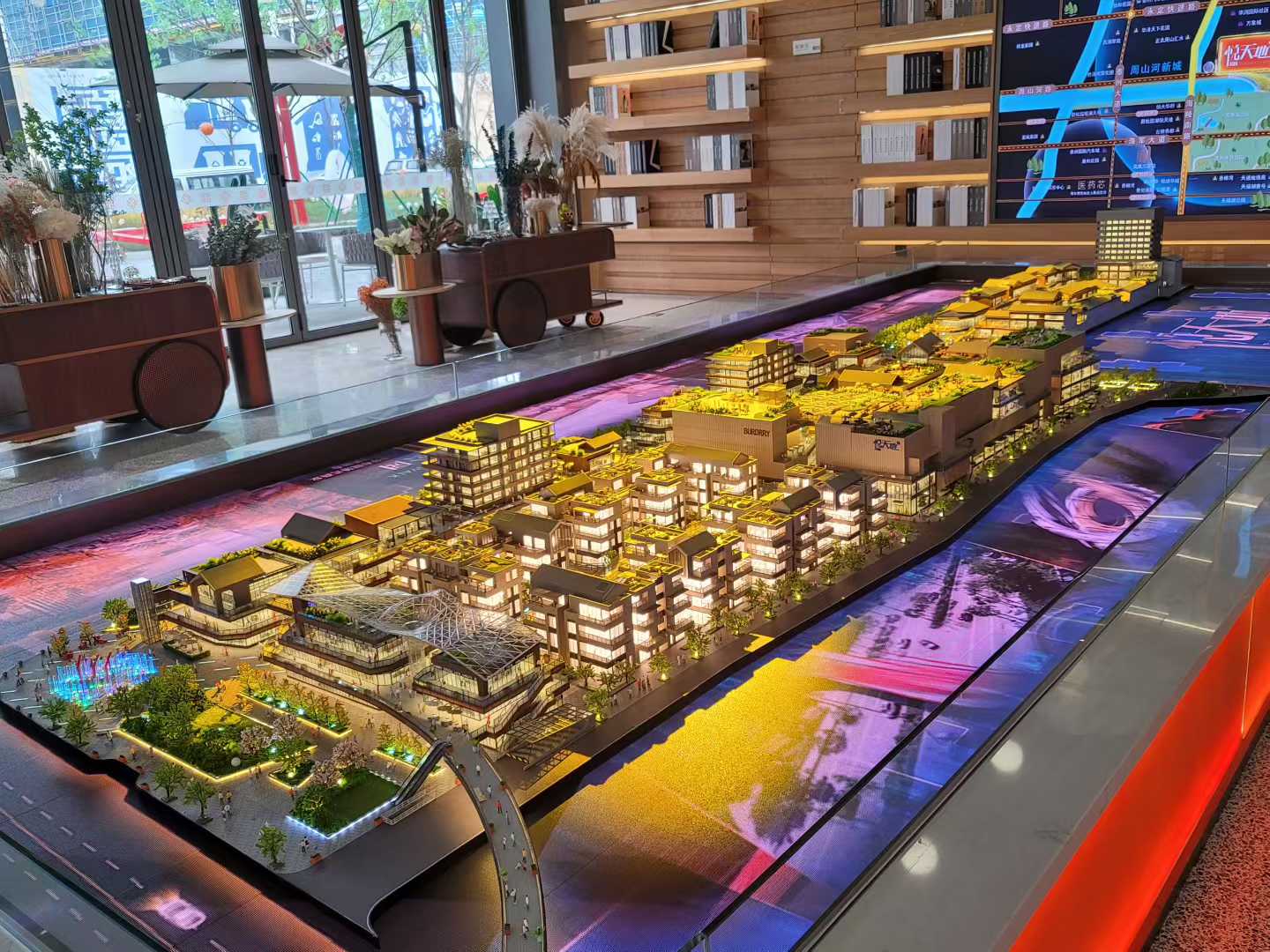
Why Professional Moving Is Essential
Sand table models are not designed for travel.
They are built for display.
ASand Table Model Moving And Installationservice understands the unique vulnerabilities:
Delicate trees (part ofModel Landscape Tree And Road Custom) snap easily.
Acrylic panels (common in anAcrylic Material Architectural Scale Model) scratch or crack.
Glossy surfaces (aHigh Gloss Finish Architectural Sand Model) show every fingerprint and scratch.
Waterproof coatings (fromWaterproof Treatment Urban Planning Model) can be compromised if flexed.
Professional movers use specialized packing and handling techniques to prevent damage.
Before the Move: Assessment and Preparation
Step 1 – Model Inspection
A technician examines the model for existing loose parts.
They note fragile areas: tall buildings, overhanging trees, extended road sections.
Step 2 – Component Securing
Loose trees are temporarily removed and packed separately.
Removable buildings are labeled and crated.
ForAcrylic Material Architectural Scale Modelelements, soft padding is applied to prevent scratches.
Step 3 – Dust Cover and Base Protection
If the model has aSand Table Model Dust Cover Custom Made, it is left in place during transport but reinforced with foam.
The base is strapped to a rigid pallet.
Step 4 – Photography and Documentation
Detailed photos are taken to document pre‑move condition.
This helps if aSand Table Model Color Restoration ServiceorSand Table Model Component Replacementis needed later.
The Moving Process
Step 1 – Custom Crating
The model is placed in a custom‑built wooden crate with foam cutouts.
For large models, the crate is sectional.
AWaterproof Treatment Urban Planning Modelmay still need a breathable cover – consult the mover.
Step 2 – Climate Control
Extreme heat or cold can damage resin and acrylic.
Climate‑controlled trucks are used for long‑distance moves.
Step 3 – Shock Monitoring
Vibration data loggers are attached to the crate.
If excessive shock occurs, the model is inspected upon arrival.
Step 4 – Transport
The crate is secured with straps and air‑ride suspension trailers for delicate loads.
Installation at the New Location
Step 1 – Unpacking and Inspection
The crate is opened, and the model is inspected against pre‑move photos.
Any damage is documented immediately.
Step 2 – Base Leveling
The display table or pedestal is checked for level.
Shims are added as needed.
Step 3 – Component Reassembly
Removed trees and buildings are reattached using UV‑curing glue.
ForModel Landscape Tree And Road Customelements, placement follows the original pattern.
Step 4 – Electrical Reconnection
If the model has LED lighting, wiring is reconnected.
A technician tests all lights.
Step 5 – Final Cleaning and Touch‑Up
Dust is removed with compressed air.
Minor scratches on acrylic or gloss surfaces are polished.
If significant color mismatch appears (e.g., faded areas exposed by moving), aSand Table Model Color Restoration Servicemay be scheduled.
Step 6 – Protective Cover Replacement
The dust cover is cleaned and reinstalled.
Post‑Move Restoration
Even with careful handling, some damage may occur.
Broken trees or roads →Model Landscape Tree And Road Customreplacement.
Scratched acrylic panels → Replacement as part ofAcrylic Material Architectural Scale Modelrepair.
Faded or chipped paint →Sand Table Model Color Restoration Service.
Dulled glossy finish → Buffing or recoating viaHigh Gloss Finish Architectural Sand Modelservice.
Compromised waterproofing → Reapplication ofWaterproof Treatment Urban Planning Model.
Often, a move is a good time to refresh the model with these services.
Cost Factors for Moving and Installation
Model size– Larger models need bigger crates and more labor.
Distance– Local moves cost less; cross‑country or international moves more.
Complexity– Models with many removable parts take more time.
Access– Stairs, elevators, or narrow doorways add labor.
Insurance– Recommended for high‑value models.
Typical range: 8,000 for a large model shipped across the country with full crating and installation.
Choosing a Moving and Installation Service
Use this checklist.
Experience with sand table models– Ask for references from museums or developers.
Crating capability– Do they build custom wooden crates?
Climate‑controlled trucks– Essential for resin and acrylic.
Insurance– What is covered?
Post‑move repair services– Can they perform component replacement or color restoration if needed?
Common Mistakes to Avoid
Donotmove a model without removing loose trees – they will snap.
Donotuse bubble wrap directly on painted surfaces – it can imprint textures.
Donotplace the crate upright if the model has a heavy acrylic base – keep horizontal.
Donotskip insurance – even careful movers can have accidents.
Case Study: Museum Model Moved Across the Country
A natural history museum relocated its large urban planning model to a new building 1,500 km away.
They hired aSand Table Model Moving And Installationspecialist.
The model was crated in sections, placed in a climate‑controlled truck, and monitored with shock loggers.
Upon arrival, two trees had broken – replacements were hand‑made on‑site by the movers’ restoration team.
The model was installed and lit within three days.
Future Trends in Model Moving
3D scanning before moving– To recreate any lost parts digitally.
Modular model design– Models built for easy disassembly and reassembly.
GPS‑tracked crates– Real‑time location and shock alerts.
Conclusion
Sand Table Model Moving And Installationrequires skill, planning, and the right equipment.
Protect your investment by hiring professionals who understand the fragility of acrylic, resin, flocking, and custom components.
Whether your model is anAcrylic Material Architectural Scale Modelwith delicate panels, needsSand Table Model Color Restoration Serviceafter transit, includesWaterproof Treatment Urban Planning Modelsealing, features aHigh Gloss Finish Architectural Sand Modelsurface that must stay pristine, or relies on customModel Landscape Tree And Road Customelements, a proper move and installation preserve its beauty and value.
Contact a moving specialist today.
Schedule your relocation.
Ready to move your sand table model safely? Request a quote with your model dimensions and locations. Get a response within 48 hours.


