High Gloss Finish Architectural Sand Model
Introduction
Most sand table models have a matte or satin finish.
That is safe and standard.
But some projects demand more.
A glossy finish catches light, reflects surroundings, and screams quality.
That is aHigh Gloss Finish Architectural Sand Model.
This guide explains why high gloss is chosen.
Which materials accept gloss finishing.
And how to achieve and maintain that mirror‑like shine.
Let us begin.
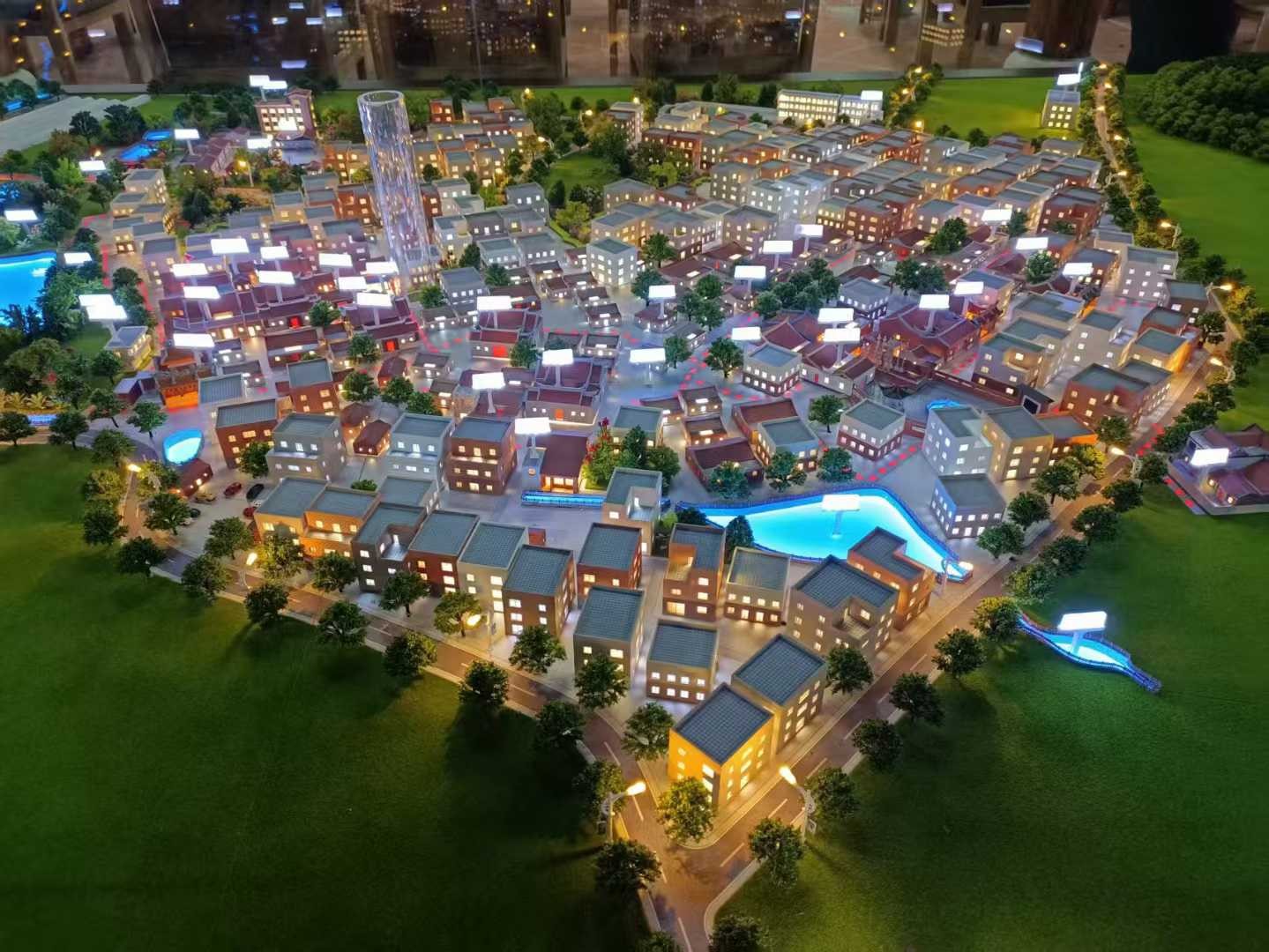
What Is a High Gloss Finish Architectural Sand Model?
It is a physical miniature where exposed surfaces – bases, water features, or building facades – are finished with a high‑shine, reflective coating.
AHigh Gloss Finish Architectural Sand Modeluses:
Polished cast acrylic for water and glass.
High‑build clear coats that are sanded and buffed to a mirror finish.
Glossy paint on select architectural elements.
The result is a model that gleams under exhibition lighting.
It is used for luxury real estate, modern skyscraper presentations, and premium museum displays.
Why Choose a High Gloss Finish?
Gloss communicates luxury and precision.
AHigh Gloss Finish Architectural Sand Modelstands out in a room of matte models.
It reflects the environment – making the model feel integrated into its surroundings.
For glass‑dominated modern architecture, a gloss finish is the only authentic choice.
Gloss also resists dust better than matte finishes.
Dust sits on top and is easily wiped away, rather than settling into microscopic texture.
Materials That Support High Gloss Finishing
Cast Acrylic
Acrylic is the easiest material to polish to a high gloss.
AnAcrylic Material Architectural Scale Modelwith polished edges and surfaces achieves a glass‑like finish.
Cast acrylic polishes better than extruded.
Epoxy Resin
Resin water features can be finished with a high‑gloss topcoat.
The glossy surface enhances the illusion of depth and reflection.
Painted Surfaces
Not all paints can be glossed.
Use automotive‑grade urethane paints, then apply multiple clear coats, sand between coats, and buff to a shine.
ABS Plastic
ABS can be painted with gloss paints and clear‑coated.
However, the natural matte texture of ABS may require extra sanding.
The High Gloss Finishing Process
Step 1 – Surface Preparation
The surface must be perfectly smooth.
Sand with progressively finer grits (up to 2000 or 3000).
Remove all dust.
Step 2 – Primer and Base Coat (for painted surfaces)
Apply a high‑build primer, sand smooth.
Apply the color coat using a spray gun – not a brush.
Step 3 – Clear Coat Application
Spray multiple thin layers of high‑gloss clear coat (automotive urethane).
Allow each layer to dry.
Step 4 – Sanding Between Coats
After several coats, sand lightly with 1000‑2000 grit to remove dust nibs.
Step 5 – Final Buffing
Use a buffing wheel or orbital polisher with fine compound.
Polish until the surface is mirror‑like.
Step 6 – Edge Polishing for Acrylic
For acrylic edges, wet‑sand and then flame‑polish or use a buffing wheel.
Integration with Other Finishes
High gloss is often used selectively.
A luxury sales center model might have a glossy black acrylic base, matte buildings, and glossy resin water.
ForModel Landscape Tree And Road Customelements, avoid gloss on roads (they should be matte like asphalt), but you might use gloss for decorative ponds.
Maintaining High Gloss Surfaces
Gloss shows fingerprints and dust more than matte.
Regular cleaning is required.
Cleaning
Use a microfiber cloth and acrylic‑safe cleaner.
Never use paper towels – they scratch.
Scratch Removal
Minor scratches can be buffed out with a fine polishing compound.
Deep scratches may require professional attention from anArchitectural Sand Table Model Repair Service.
Protecting the Gloss
ASand Table Model Dust Cover Custom Madewith anti‑static coating reduces dust attraction.
Keep the model away from abrasive objects.
When Gloss Needs Restoration
Over time, gloss surfaces can dull from cleaning scratches or UV exposure.
ASand Table Model Color Restoration Servicecan repaint and re‑clear‑coat faded gloss surfaces.
This includes sanding down the old clear coat and reapplying a fresh high‑gloss finish.
Waterproofing and Gloss
AWaterproof Treatment Urban Planning Modeloften uses gloss clear coat as the final sealing layer.
Gloss urethane is naturally waterproof, protecting the underlying paint from humidity and spills.
Replacing Gloss Components
If a glossy acrylic panel cracks or a glossy painted building breaks,Sand Table Model Component Replacementcan fabricate new parts with matching gloss finish.
The replacement part must be polished and buffed to the same reflectivity.
Applications for High Gloss Finish Models
Luxury Real Estate Sales Centers
A glossy base and glossy water features elevate the perceived value of the development.
Modern Skyscraper Models
Glass curtain walls should be glossy.
AnAcrylic Material Architectural Scale Modelwith polished acrylic windows looks strikingly realistic.
Museum Exhibits
High gloss highlights specific architectural elements.
Used sparingly, it creates contrast and draws the eye.
Case Study: Glossy Base Transforms Sales Center Model
A luxury condo developer had a standard matte model that failed to impress wealthy buyers.
They commissioned aHigh Gloss Finish Architectural Sand Modelupdate.
The existing MDF base was replaced with a polished black acrylic base.
The pool was recast with glossy epoxy resin.
Building facades received a gloss clear coat.
Buyer engagement increased significantly.
The developer credited the glossy finish with closing several high‑end sales.
Cost Factors for High Gloss Finishing
Surface area– Larger glossy areas cost more.
Material– Acrylic polishes quickly; painted surfaces require more labor.
Number of clear coats– More coats = deeper gloss.
Buffing time– Mirror finish requires extended buffing.
Existing condition– Smooth surfaces are easier; rough surfaces need more sanding.
Typical range: 5,000 for a fully glossed large model.
Common Mistakes to Avoid
Donotuse gloss clear coat over matte paint without testing – it may lift.
Donotbuff without proper compound – you will burn the surface.
Donotuse paper towels for cleaning – they leave micro‑scratches.
Donotplace glossy models in direct sunlight – heat can soften clear coats.
Future Trends in High Gloss Model Finishing
Self‑leveling gloss coatings– Fewer coats, deeper shine.
Ceramic coatings– Extremely durable, hydrophobic, and glossy.
Glossy 3D printed resins– Print directly with high gloss.
Conclusion
AHigh Gloss Finish Architectural Sand Modelcommands attention.
It signals quality, luxury, and precision.
Choose gloss for bases, water features, and modern glass facades.
Maintain it with proper cleaning and periodic restoration.
Whether your model is built as anAcrylic Material Architectural Scale Modelwith polished components, requiresSand Table Model Color Restoration Serviceto refresh faded gloss, benefits fromWaterproof Treatment Urban Planning Modelsealing, needsSand Table Model Component Replacementfor broken glossy parts, or features customModel Landscape Tree And Road Customwith glossy decorative elements, a high gloss finish elevates every presentation.
Contact a finishing specialist today.
Specify your gloss requirements.
Get a high‑shine quote.
Ready to create a high gloss finish architectural sand model? Request a quote with your design files and gloss level preferences. Get a response within 48 hours.


