Waterproof Treatment Urban Planning Model
Introduction
Water is the enemy of most sand table models.
Humidity warps MDF bases.
Spilled drinks stain painted surfaces.
Outdoor models rot in the rain.
You need protection.
That isWaterproof Treatment Urban Planning Model.
This guide explains why waterproofing matters.
Which materials need sealing.
And how to protect your model from moisture damage.
Let us begin.
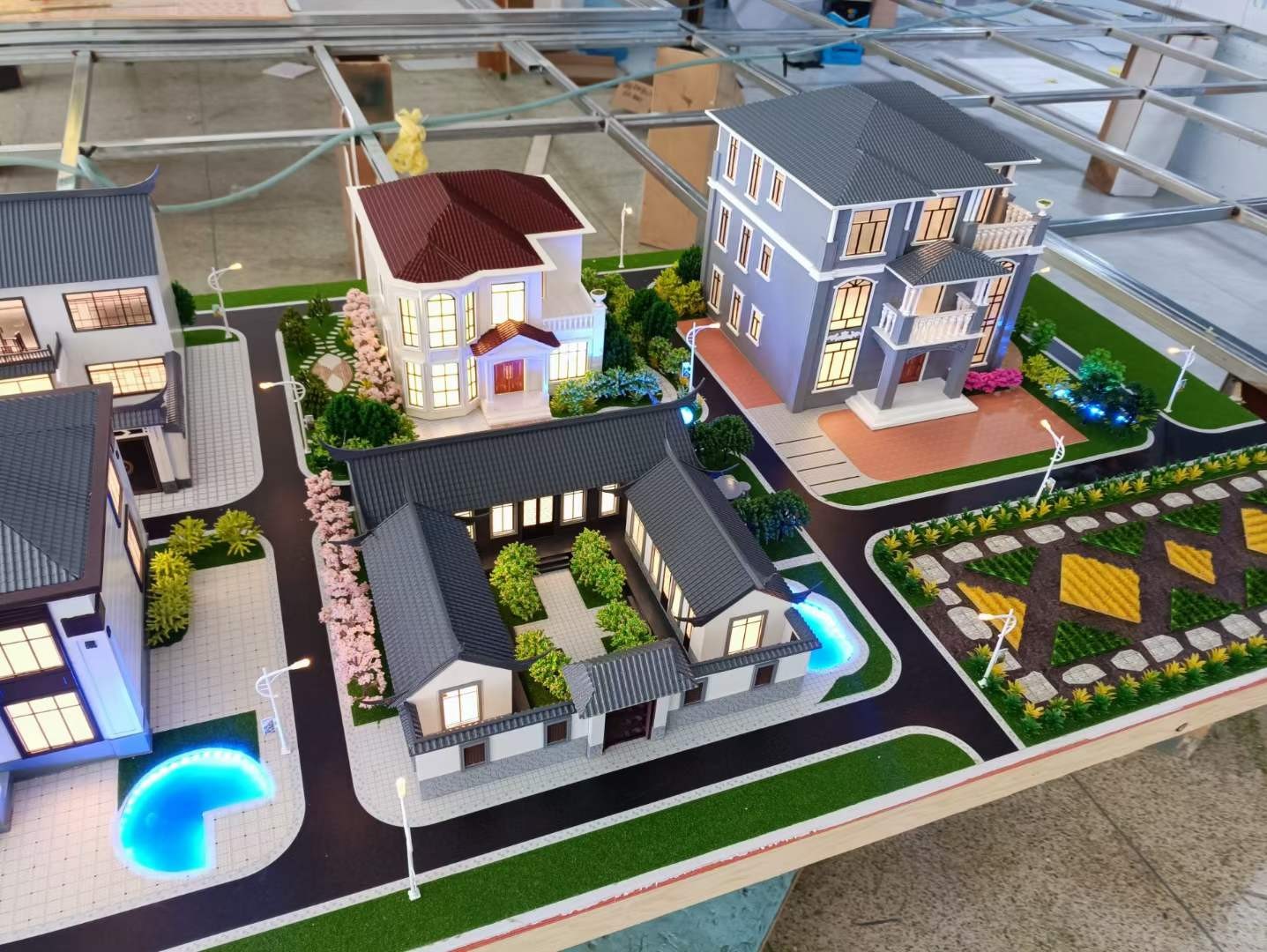
What Is Waterproof Treatment for Urban Planning Models?
It is the application of sealants, coatings, and barriers that prevent moisture from penetrating model components.
Waterproof Treatment Urban Planning Modelincludes:
Sealing wooden frames and MDF bases.
Applying water‑resistant clear coats to painted surfaces.
Using waterproof adhesives for landscape elements.
Encapsulating electronics (LEDs, wiring) in moisture‑proof casings.
Treating flocking and resin water features against humidity.
The goal is to make the model resistant to accidental spills, high humidity, and even outdoor weather.
Why Urban Planning Models Need Waterproofing
Indoor Models
Even indoors, humidity is a threat.
MDF absorbs moisture and warps.
Painted surfaces can blister or peel.
Resin water may cloud from humidity cycling.
Models in Sales Centers
Spilled coffee or water is a constant risk.
AWaterproof Treatment Urban Planning Modelallows you to wipe spills without damage.
Outdoor or Covered Outdoor Models
If your model is displayed in a covered plaza, garden, or transit hub, waterproofing is essential.
Rain, condensation, and morning dew will destroy an unprotected model within months.
Coastal or High‑Humidity Locations
Cities like Singapore, Miami, or Hong Kong have year‑round high humidity.
Without waterproofing, models warp and fade quickly.
Materials That Need Waterproofing
Wooden Frames and MDF Bases
Unsealed MDF acts like a sponge.
Apply polyurethane or marine varnish to seal edges and surfaces.
For aHand Crafted Architectural Sand Table Modelwith a wooden frame, this step is critical.
Painted Acrylic and ABS Components
Paint alone is not waterproof – it can lift when wet.
A clear polyurethane topcoat seals the paint.
For anAcrylic Material Architectural Scale Model, use acrylic‑compatible sealants that do not cause clouding.
Flocking and Grass
Standard flocking absorbs water and can detach.
Waterproof flocking adhesive and a clear matte sealer keep grass in place.
Resin Water Features
Epoxy resin is waterproof once cured.
But edges where resin meets base can wick moisture.
Seal the perimeter with silicone caulk.
LEDs and Wiring
Moisture causes short circuits.
Use conformal coating on circuit boards and waterproof connectors for wiring.
The Waterproofing Process
Step 1 – Base and Frame Sealing
If the model has an MDF base, seal all edges and both sides with polyurethane.
For wooden frames, use marine varnish or spar urethane.
Allow 24 hours to dry.
Step 2 – Painted Surface Protection
Apply two thin coats of clear acrylic sealer (matte or satin) over all painted areas.
For high‑gloss water features, use a gloss sealer.
This step also protects colors from UV fading – complementing a futureSand Table Model Color Restoration Serviceby slowing the need for it.
Step 3 – Landscape Element Sealing
Spray a thin coat of clear matte sealer over flocked grass and trees.
ForModel Landscape Tree And Road Customcomponents, ensure the sealer is compatible with wire and flocking.
Step 4 – Water Feature Edge Sealing
Run a thin bead of clear silicone around the edge of resin water features.
This prevents water from wicking between the resin and the base.
Step 5 – Electronics Encapsulation
Cover LED controllers and power supplies with waterproof enclosures.
Use heat‑shrink tubing over wire connections.
ForSand Table Model Component Replacement, ensure new electronic parts are also treated.
Step 6 – Final Testing
Pour a small amount of water on an inconspicuous area.
Watch for beading – if water soaks in, apply another sealer coat.
Outdoor vs. Indoor Waterproofing
| Feature | Indoor Waterproofing | Outdoor Waterproofing |
|---|---|---|
| Base seal | Polyurethane | Marine epoxy |
| Paint sealer | Acrylic clear coat | UV‑stable urethane |
| Electronics | Splash‑resistant | Fully waterproof (IP65+) |
| Cover | Optional | Required (with ventilation) |
| Lifespan | 5–10 years | 2–3 years (reapply) |
Outdoor models also need aSand Table Model Dust Cover Custom Madewith UV‑blocking and weather seals.
Maintenance After Waterproofing
Waterproofing is not permanent.
Reapply sealants every 2–5 years depending on exposure.
Part ofUrban Planning Model Maintenance And Restorationincludes checking seal integrity during annual inspections.
If paint becomes faded or damaged despite waterproofing, aSand Table Model Color Restoration Servicecan repaint and re‑seal the model.
Case Study: Coastal Resort Model Survives Humidity
A resort developer in Singapore displayed a large master plan model in an open‑air lobby.
Humidity caused the MDF base to warp within six months.
They commissioned aWaterproof Treatment Urban Planning Modelservice.
The team:
Replaced the warped base with sealed marine plywood.
Applied polyurethane clear coat to all painted surfaces.
Sealed flocking with matte acrylic sealer.
Encased LED wiring in waterproof conduits.
The model has remained flat and vibrant for three years.
Cost Factors for Waterproof Treatment
Model size– Larger models cost more.
Material type– Sealing MDF is cheap; marine epoxy costs more.
Electronics– Waterproof enclosures add cost.
Outdoor rating– UV‑stable, heavy‑duty sealants cost more.
Labor– Disassembling landscape to access base adds time.
Typical range: 2,500 for full outdoor‑rated treatment.
Common Mistakes to Avoid
Donotuse glossy sealer on matte surfaces – it changes the appearance.
Donotseal over dust or dirt – it traps particles under the coating.
Donotforget to seal the underside of the base – moisture rises from the table.
Donotuse silicone near acrylic – some silicones cause stress cracking.
Future Trends in Waterproofing
Nano‑coatings– Invisible, breathable, and hydrophobic.
Self‑sealing materials– Acrylics with built‑in UV and moisture barriers.
Waterproof 3D printing resins– For direct outdoor use.
Conclusion
Waterproof Treatment Urban Planning Modelprotects your investment from humidity, spills, and outdoor exposure.
Seal the base, paint, landscape, and electronics.
Reapply sealants every few years.
Whether your model featuresAcrylic Material Architectural Scale Modelpanels that need cloud‑free sealing, requires aSand Table Model Color Restoration Servicebefore protective coating, includesHand Crafted Architectural Sand Table Modelelements that must retain their character, needsSand Table Model Component Replacementafter water damage, or uses customModel Landscape Tree And Road Customparts that must stay glued in high humidity, waterproofing is essential.
Contact a specialist today.
Protect your model for the long term.
Ready to waterproof your urban planning model? Request a consultation with your model specifications. Get a response within 48 hours.


