Automotive Interior Structure Model Manufacturing Factory
Car Interior Structure Display Model Production Case: Precision Reproduction Process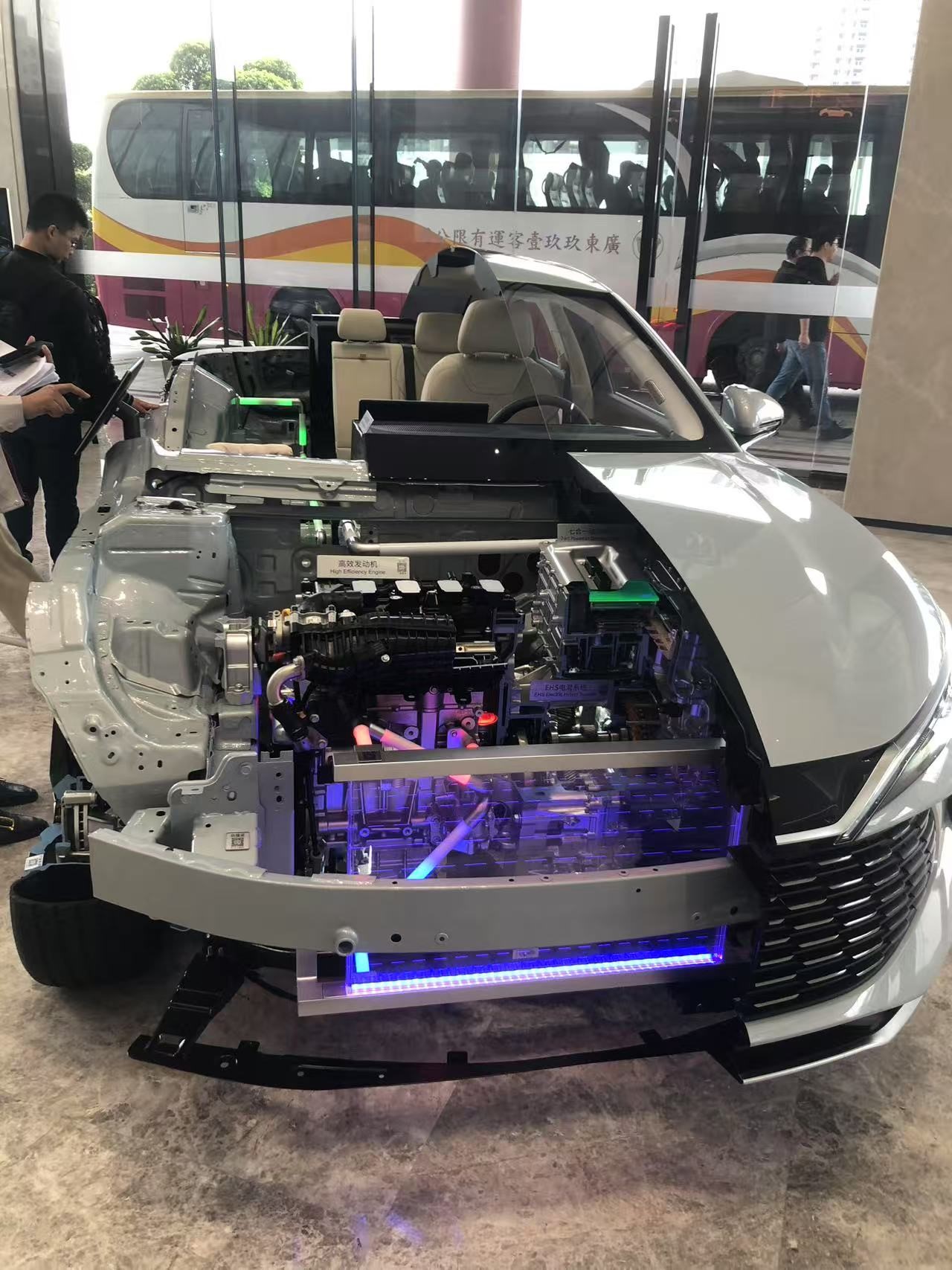
Project Overview:
A well-known car manufacturer commissioned our factory to produce a display model of a new car model for use at global launch events and dealer showrooms. The requirements were to highlight the centre control system, seat structure and driver's seat human-machine interface, with an overall reproduction accuracy of ≥90%.
Core Manufacturing Processes and Material Selection
Precision Mould Development (Foundation)
Based on the 3D scan data provided by the client, 386 independent parts were identified, including movable components (steering wheel, gearshift lever, seat rails, etc.).
Main Frame: CNC-machined high-strength ABS panels (2-3mm thick) to ensure structural stability and assembly precision.
Complex Curved Parts: Silicone moulds + PU resin casting (steering wheel, curved centre console) to achieve smooth transitions.
Transparent Components: Custom acrylic/PETG panels (instrument cluster, infotainment screen) with precision-polished edges to eliminate stress.
Layered injection moulding and 3D printing integration
Mass-produced standard parts: Customised micro injection moulds (POM/nylon material) to ensure interchangeability of parts within the same batch (e.g. buttons, air vent blades).
Ultra-fine structures: SLA stereolithography 3D printing (resolution 0.05mm) to address micron-level details such as multifunctional buttons on the steering wheel and stitching indentations.
Functional structure implementation
Adjustable seats: Metal micro-slide rails (CNC stainless steel) + gear dampers to replicate the feel of real adjustment.
Steering linkage: Micro-bearings embedded in the steering wheel and steering column enable smooth rotation of ≥270°.
Light transmission simulation: LED fibre optic bundles embedded in the instrument panel backplate, with 0.2mm light guides achieving screen illumination effects.
Post-processing and painting techniques
Multi-layer primer treatment
Metal parts undergo sandblasting followed by phosphating to enhance adhesion.
ABS/PU parts are ultrasonically cleaned and coated with a 1200-mesh primer to fill microscopic pores.
Colour-separated masking spray coating (core reproduction point)


