Case study on the production of wind and solar energy storage sand table model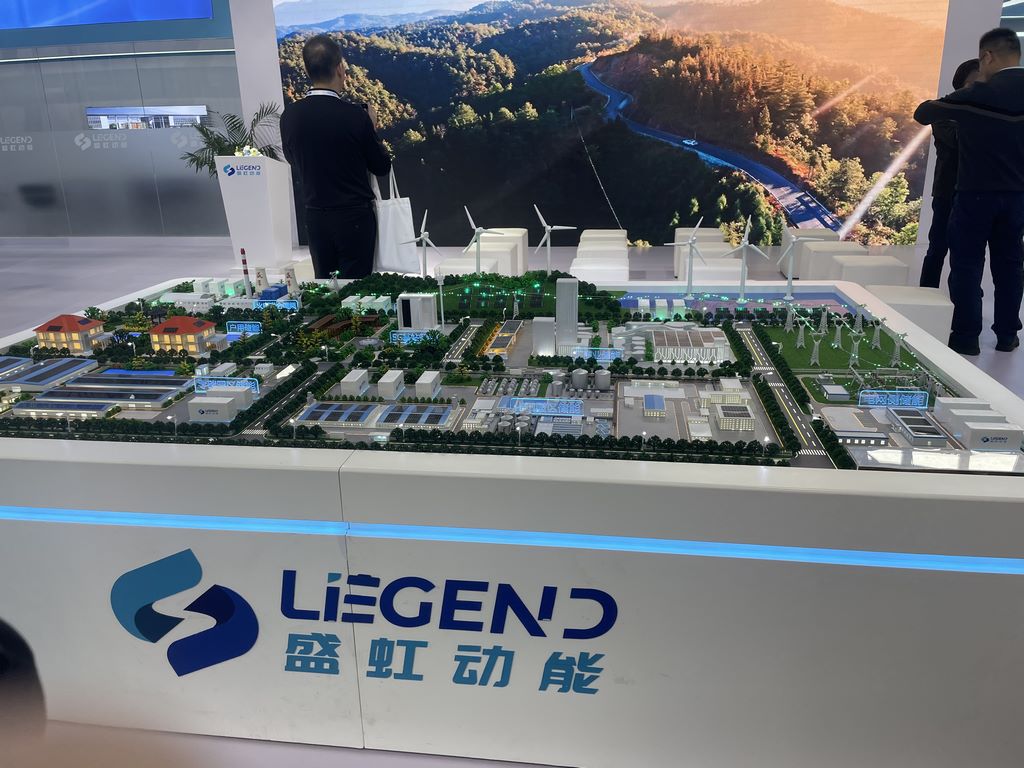
1、 Project Overview
The wind solar energy storage sand table model is a multifunctional display platform that integrates wind energy, solar energy, and energy storage technologies. It simulates the operation mechanism of clean energy through real scenarios. This case study will provide a detailed introduction to key processes such as production technology, material selection, and post-processing coloring, ensuring that the model restoration degree reaches around 90%.
2、 Material selection
1. Basic framework materials
High strength aluminum alloy profile: As the main supporting frame, it has the characteristics of light weight, high strength, and corrosion resistance, and can provide stable support for the entire sand table.
Wooden frame: used for special shaped parts, such as wind turbine tower tubes, easy to process and cut, meeting diverse design needs.
2. Terrain and landform materials
High density foam board: shape topographic relief, and present natural topography through fine cutting and polishing.
Flocking paper and sandpaper: Green flocking paper represents vegetation, while brown sandpaper simulates bare land.
Blue organic glass: Creating water bodies and creating sparkling effects through light projection.
3. Energy facility materials
ABS plastic board: used for building shells, precisely processed and formed using CNC engraving technology.
Metal and electronic components: Create equipment models, with the internal structure displayed through transparent plastic and the exterior wrapped in metal material.
3、 Production process
1. Design phase
Based on the actual layout design model drawings, determine the dimensions, positions, and proportions of each component.
Choose a suitable material list to ensure a balance between portability and display effectiveness.
2. Framework production
Use aluminum alloy profiles to construct the main frame, supplemented by wooden frames for special areas.
Ensure structural stability and long-term display without deformation.
3. Terrain shaping
Cut high-density foam board to form natural terrain.
Surface covered with plush paper and sandpaper to enhance realism.
Install small water pumps in the water area to achieve a circulating flow effect.
4. Equipment manufacturing
ABS plastic board CNC carved building shell, spray painted surface treatment.
Combining metal and plastic to make models of equipment such as fans and photovoltaic panels.
Thin copper wire connects the circuit, and different colors distinguish the function of the circuit.
4、 Post processing and coloring
1. Selection of coloring process
Hand coloring: suitable for complex detail processing, using water-based or oil-based paint, pay attention to pen line control.
Spray painting coloring: High efficiency, suitable for large-area coloring, can achieve glossy or matte effects.
Environmentally friendly materials: Priority should be given to low pollution materials such as water-based pigments.
2. Coloring techniques
Flat coloring: Radiating from the center outwards to ensure uniform color.
Detail handling: Use a fine pen or toothpick to handle small parts such as windows and doorways.
Hierarchical construction: Enhance the sense of three dimensionality through color gradient.
3. Lighting effects
LED bead simulation device operation indicator light.
Programmable control of lighting changes in different areas to demonstrate the process of energy flow.
5、 Restoration degree control
1. Proportional accuracy
Strictly produce each component according to the scale, such as a 1:100 wind turbine model.
Details such as the arrangement of photovoltaic panels and the angle of wind turbine blades need to be accurately restored.
2. Texture expression
Architectural surface treatment simulates real materials, such as glass reflection and metallic texture.
The terrain color transitions naturally and conforms to the actual landform characteristics.
3. Dynamic display
The lighting system simulates the process of energy flow.
Interactive buttons can be set to display different working states.
VI. Summary
Through the above production process and material selection, the wind solar energy storage sand table model can achieve a reduction degree of about 90%. The key lies in precise design in the early stage, fine production in the middle stage, and realistic coloring processing in the later stage. Every step needs to pay attention to details in order to ultimately present a display model that is both beautiful and educational.


