Case Study of Proportionate Aircraft Model Production
In our factory, we produce scale airplane models such as MA700, strictly following the process standard of "90% restoration" from material selection to post production coloring, making the model a "scaled down version" of the real airplane. The following is the complete process of production disassembly:
1、 Material selection: Accurately matching the real texture
We prioritize using environmentally friendly wooden boards (such as birch and oak) as the main frame, which have moderate density, are easy to polish, and can restore the "tough texture" of the aircraft fuselage; Large parts such as wings and tail wings are made of lightweight foam plates, giving consideration to lightweight and structural stability.
Small components such as propellers and landing gear are made of aluminum foil/light alloy, simulating the luster and weight of real aircraft metal parts; The combination of resin and silicone for the wheels ensures a "rubber like texture" while also making the model more realistic when it lands.
2、 Production process: "Restoring logic" from framework to details
Framework construction:
First, cut out the "skeleton" of the fuselage, wings, and tail wing with wooden boards, and bond them with environmentally friendly glue. The framework should be strictly aligned to ensure that the model "stands steadily and flies straight" (although it is a static model, the structural logic is consistent with the real aircraft).
Large component splicing: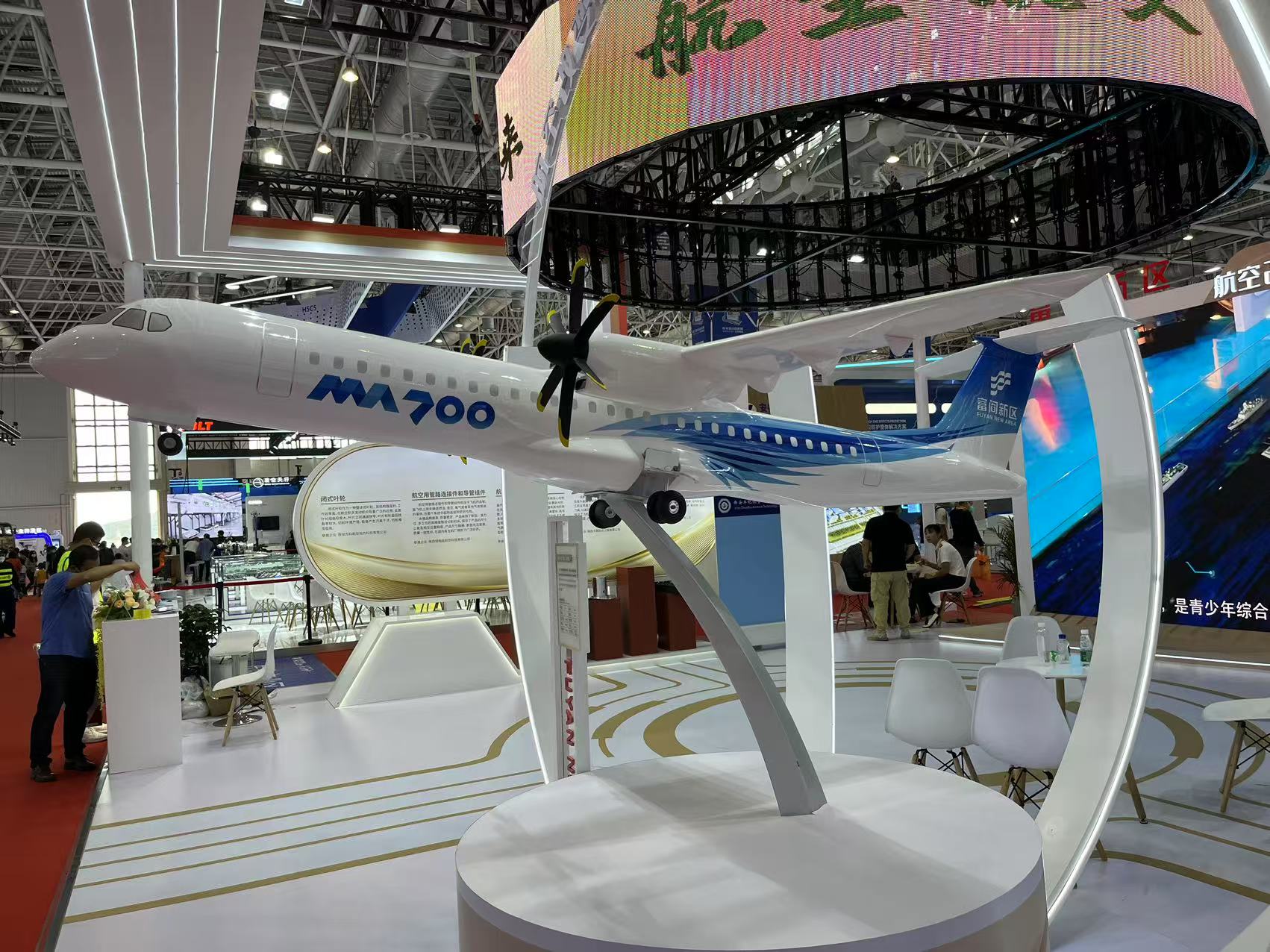
The foam plate is cut into the shape of wings and tail wings, and bonded with the fuselage frame after polishing the edges. During the process, use a "positioning clip+temporary support" to fix and avoid deformation in the later stage.
Fine production of small parts:
Propeller: Aluminum foil rolled into blade shape, polished with fine sandpaper to achieve a "metallic luster";
Landing gear: resin poured into a "pillar+wheel hub" structure, wrapped in silicone to make "tires", and then carved with a small knife to create tire patterns;
Machine window: Cut transparent acrylic sheets into corresponding shapes, and round the edges with fine sandpaper to simulate the "transparency" of a real airplane.
3、 Post processing: the 'magical moment' that brings the model to life
Polishing and Polishing:
First, use coarse sandpaper (120 grit) to polish the whole, then replace it with fine sandpaper (400 grit) to treat the edges and seams, and finally use a polishing cloth to create a "matte texture" - both restoring the "industrial style" of a real airplane and avoiding reflection that affects details.
Coloring process:
Base color spraying: First, spray a layer of light gray base color on the fuselage and wings to make the subsequent dark paint more uniform and reduce the "plastic color bleeding";
Layered coloring: First apply light colors (such as white on the main body of the aircraft), then apply dark colors (such as blue on the wings), and finally use silver paint to make "metal components" (such as engines and landing gear compartments);
Detail depiction: Use a fine brush to outline the "window outline", "engine intake", "fuselage text identification", and even simulate the "wear marks" of real aircraft (such as subtle scratches on the wing edges), making the model more "dated".
Assembly and Quality Inspection:
After coloring all the components, bond them one by one (such as the propeller mounted on the nose and the wheels mounted on the landing gear), and finally use the "simulated flight angle" to check whether the wings are level? Is the propeller symmetrical? Are there any missing details? Ensure that every angle is' restored to reality '.
4、 The 'secret' with a restoration rate of 90%
From simulating the texture of materials, to polishing the details of craftsmanship, to layering coloring, every step is anchored to the industrial logic of a real aircraft. for example
The "toughness" of wooden frames corresponds to the "sturdiness" of real airplanes;
The "lightness" of foam board corresponds to the "weight reduction design" of real aircraft;
The "metallic luster" of aluminum foil propellers corresponds to the "metallic component texture" of real aircraft
In the end, the model not only looks like a real airplane, but also has the industrial atmosphere of a real airplane, allowing customers to feel at a glance that 'this is a masterpiece produced by the factory'.


