Case Study of Photovoltaic Sand Table Model: Craftsmanship of Henghui Model Factory
Project Background
In the realm of renewable energy, photovoltaic power generation stands at the forefront, driving the global energy transition. To visually showcase the layout, working principles, and environmental adaptability of photovoltaic power plants, a prominent energy enterprise entrusted Henghui Model Factory with designing and producing a high-precision photovoltaic sand table model. This model not only mirrors the actual scenes of photovoltaic power plants but also incorporates interactive demonstration features, making it an invaluable tool for corporate displays, teaching, training, and customer engagement.
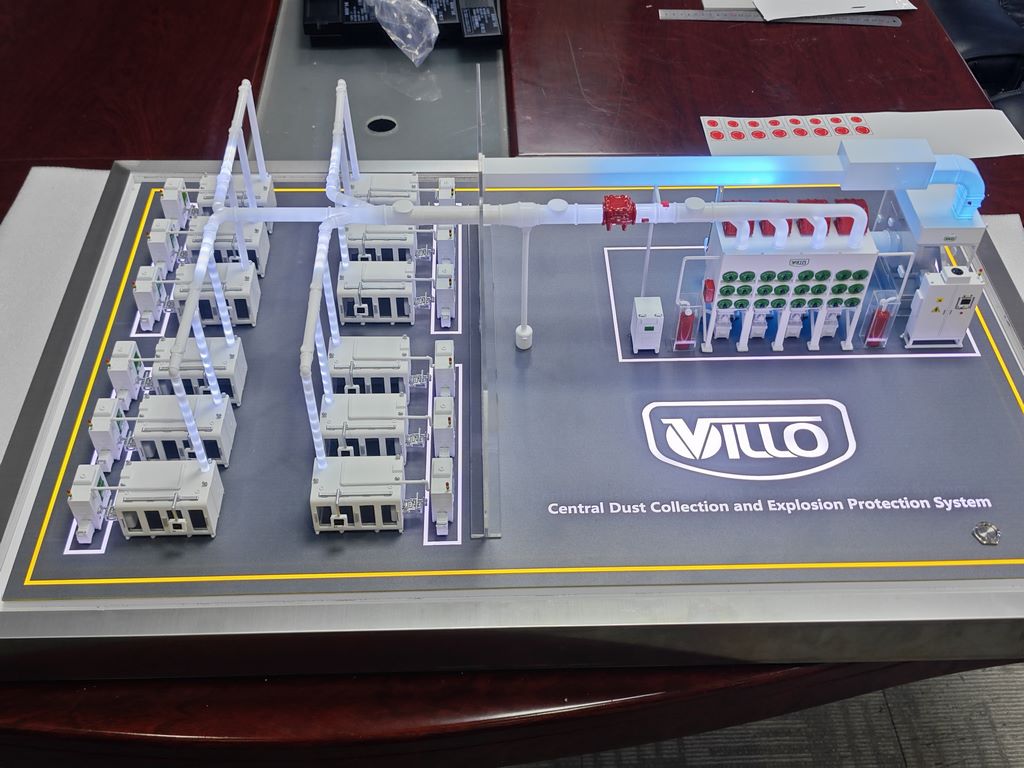
Model Overview
Scale & Dimensions:
The photovoltaic sand table model is meticulously crafted at a 1:50 scale, spanning nearly 10 square meters. It vividly presents the entire photovoltaic power station, encompassing solar panel arrays, inverter stations, transformer rooms, monitoring systems, and the surrounding terrain.

Design Features:
With a layered design, the model simulates the tracking action and energy conversion process of photovoltaic panels from sunrise to sunset through mechanical structures like rotation and lifting, enhancing both its aesthetic appeal and educational value.
Core Process & Material Highlights
High-Precision Laser Cutting:
Utilizing advanced laser cutting machines, Henghui ensures precise processing of each component, guaranteeing accurate dimensions, smooth edges, and a flawless replication of real photovoltaic power plant details.
Eco-Friendly Materials:
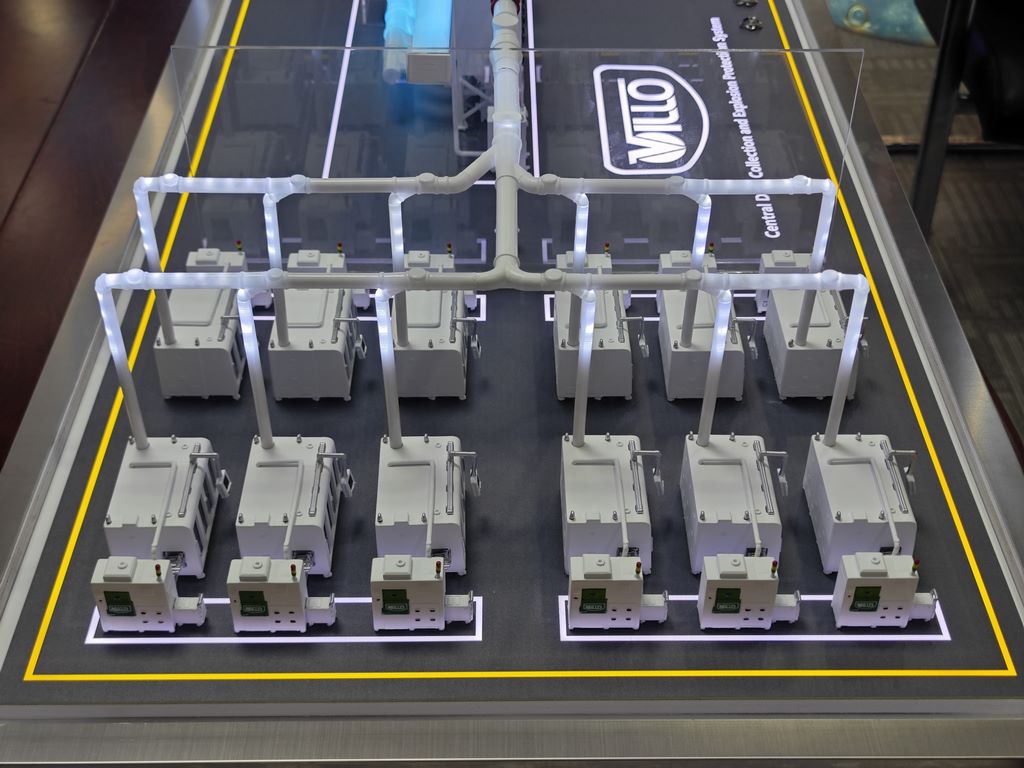
ABS Plastic: The main structure is crafted from high-strength, corrosion-resistant ABS plastic for a stable yet lightweight model.
Acrylic: Solar panels are simulated using high-transparency, weather-resistant acrylic, blending aesthetics with functionality to demonstrate the photoelectric conversion process.
Circuitry & Lighting:
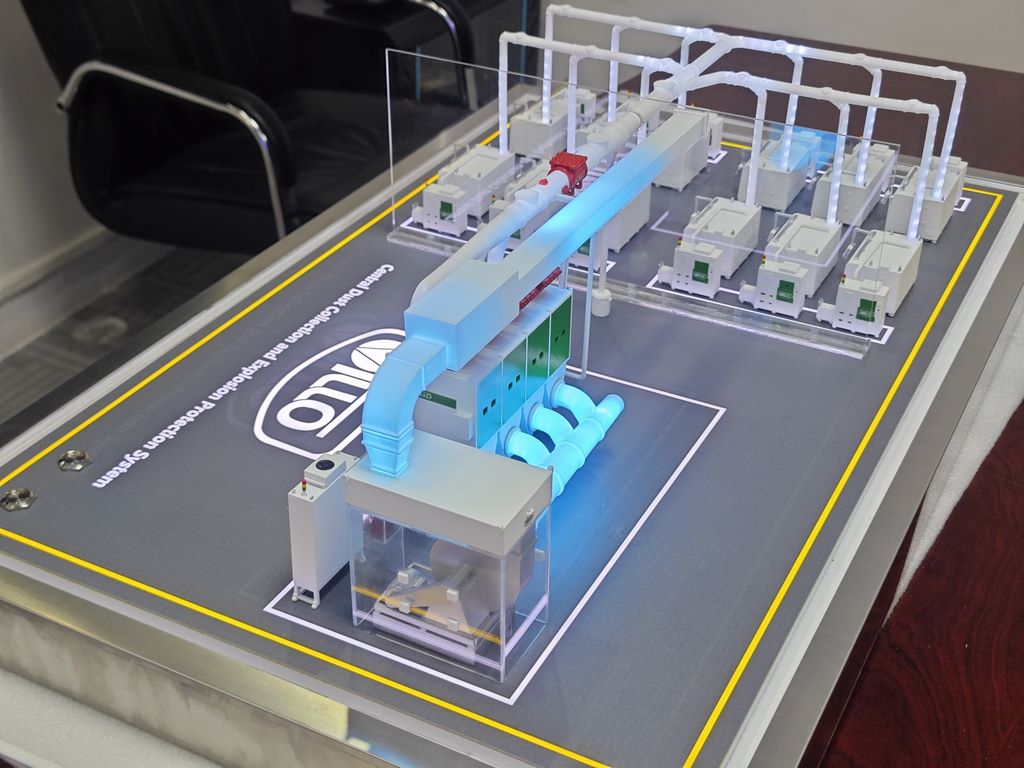
The internal circuit layout mimics that of an actual photovoltaic power plant, cleverly concealed within the model through miniaturization. LED lights simulate current flow, illuminating the model at night to vividly depict power transmission paths and enhance visual impact.
Environmental Simulation & Interaction:
The model's base features miniature landscapes simulating various climate conditions, such as deserts, grasslands, and roofs. Remote or touchscreen control enables scene switching, showcasing photovoltaic efficiency in different environments. An integrated intelligent interactive system provides detailed information via QR codes or touchscreen, enhancing user engagement.

Handcrafted Details:
After mechanical processing, senior craftsmen hand-polish and paint each component, ensuring realistic colors and textures. Meticulous attention is given to equipment identification, warning signs, and other details, elevating the model's professionalism and ornamental value.
Application Effectiveness
The photovoltaic sand table model has become a standout exhibit in the company's hall, capturing the attention of industry professionals and enthusiasts alike. It has successfully supported multiple key customer interactions, bolstering the company's brand image and market competitiveness. As an educational tool, the model has played a pivotal role in energy-related teaching activities, helping students grasp the working principles and practical applications of photovoltaic power plants.
Conclusion
Henghui Model Factory, with its exquisite craftsmanship, premium material selection, and unwavering attention to detail, has masterfully created this photovoltaic sand table model that融合 (fuses) science, art, and education. This achievement once again cements its leadership in the model-making industry. We eagerly anticipate collaborating with more partners to craft more captivating models and contribute to technological advancement and social development.


